

The phrase carries a charge—part rumor, part urban shorthand—and in a city of constant reinvention it touches on commerce, culture, and law all at once. People use the words casually, sometimes jokingly, but behind the shorthand lies a complex set of realities: an unregulated underground economy, the history of immigrant-run businesses, enforcement priorities, and conversations about labor and dignity. This article looks beyond the headline to explain how the term is used, how the massage industry operates in New York, and what consumers and policymakers should know.
Where the phrase came from and how it spread
The expression began as a wink in popular culture, amplified by film and late-night conversation, and then migrated into search terms and review-site shorthand. In practice it refers to an extra service offered at the end of a massage session; the specifics vary, but the critical fact is that the phrase has become shorthand for a borderline or illegal exchange rather than a formal service.
Its persistence owes something to urban myth and to the visual shorthand used in media. Tourists, newcomers, and locals alike pick up the term through gossip or online threads, and that repetition cements a stereotype about certain neighborhoods or businesses. The stereotype, in turn, shapes how regulators and residents respond—sometimes with heightened scrutiny and sometimes with indifference.
The legitimate massage industry in New York City
New York has a large, highly professional massage sector that serves athletes, office workers, and people seeking therapeutic relief. Licensed massage therapists follow training requirements, adhere to codes of conduct, and work in clinics, day spas, wellness centers, and medical practices. These practitioners form the backbone of a regulated ecosystem focused on health and rehabilitation.
At the same time, the city’s commercial landscape includes small, often family-run establishments that may operate in legal gray areas. Some of these businesses provide legitimate services but lack formal licensing or proper oversight, while others offer illicit extras to compete in a crowded market. That mix complicates enforcement and makes it harder for consumers to distinguish between professional care and potential exploitation.
For consumers, the simplest safeguard is to seek out licensed providers and transparent businesses. A license, posted pricing, clear intake procedures, and a professional setting are good indicators of legitimacy. Beyond that, reviews, referrals from trusted friends, and visible professional affiliations help separate reputable businesses from those operating off the books.
Legal landscape and how enforcement works
Prostitution and solicitation are crimes in New York State, and offers of sexual services in the context of a commercial transaction are treated accordingly. Law enforcement agencies, municipal regulators, and licensing boards may all get involved when an establishment is suspected of offering illegal services or operating without required permits. The focus and intensity of enforcement vary over time and place, influenced by political priorities and resource allocation.
Criminal enforcement is only one piece of the picture. Health departments and licensing authorities can revoke permits, fine operators, or close businesses deemed unsafe or unlicensed. Civil remedies, tenant-law disputes, and zoning enforcement also play roles when communities seek to address problematic establishments without criminal prosecutions.
These actions have consequences for workers, many of whom are immigrants or people with limited options. Enforcement can drive activity underground, making it harder to identify abuse or trafficking. That tension—between upholding the law and protecting vulnerable people—shapes much of the policy debate around the issue.
| Licensed provider | Unlicensed or illicit operation |
|---|---|
| State certification and posted licenses | No formal credentials visible |
| Clearly listed services and prices | Vague pricing, «extras» discussed off-menu |
| Professional referrals and affiliations | Little or no professional network |
Safety, stigma, and worker rights
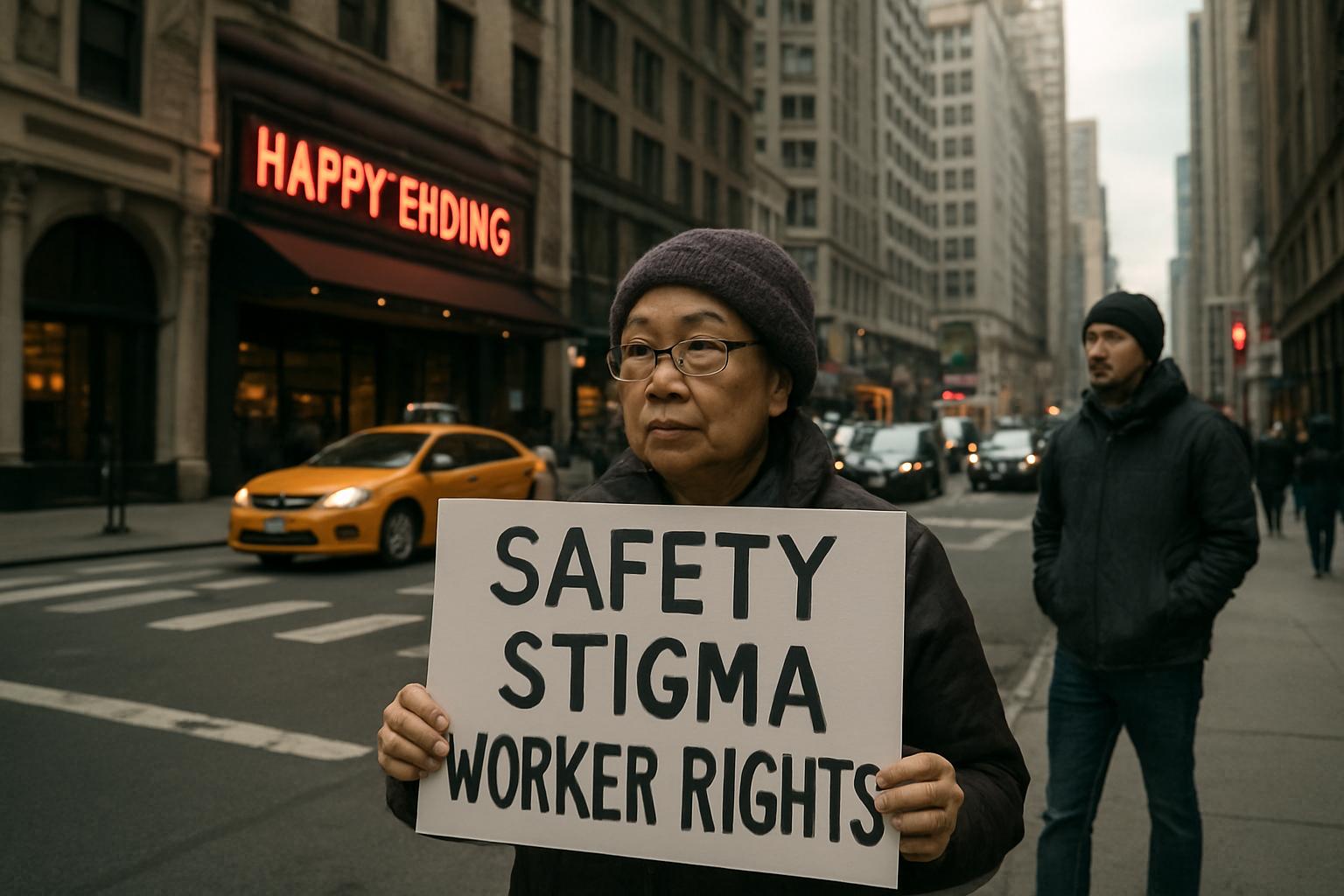
Conversations about illicit extras often collapse into moralizing or caricature, which makes it harder to discuss worker safety in practical terms. People who work in smaller massage businesses face a range of pressures: long hours, uncertain pay, and sometimes the risk of exploitation by managers or owners. Addressing those conditions requires separating criminal enforcement from labor protections and social services.
Advocacy organizations and some policymakers argue for approaches that prioritize worker safety—access to healthcare, labor law enforcement, and pathways to legal employment—rather than solely punitive measures. Others emphasize deterrence, arguing that strict enforcement protects communities and vulnerable people from predatory operations. Both perspectives raise valid concerns, and the challenge is finding policies that reduce harm without creating new vulnerabilities.
From the consumer side, avoiding stigma helps produce better outcomes. If customers report abuse or unsafe practices to the proper authorities rather than sharing lurid anecdotes online, regulators and service organizations can intervene more effectively. That kind of responsible reporting can be an important part of protecting workers and the public alike.
How to choose a spa or therapist responsibly
Most people seeking a legitimate massage want relaxation, relief from pain, or therapeutic support—and that can be achieved in many reputable settings. Here are practical cues to look for when choosing a provider: visible licensing, a clean and professional environment, clear intake paperwork, and a stated code of conduct. If something feels off, trust your instincts and walk away.
- Verify state licensure where applicable and ask about training.
- Look for posted prices and a formal appointment system.
- Avoid establishments that pressure you into undisclosed services or cash-only transactions for unlisted extras.
- Use referrals or reputable review platforms rather than searching for slang terms or promises.
These steps don’t guarantee perfection, but they reduce the chances of an uncomfortable or risky encounter. They also support responsible businesses that invest in training, safety, and ethical practices.
Alternatives and the city’s wellness scene
New York offers an extraordinary range of wellness options beyond traditional massages. Physical therapy clinics, licensed acupuncturists, chiropractic care, and medically supervised pain management centers provide therapeutic alternatives for people with chronic issues. These settings are regulated and often covered by insurance, which shifts the focus away from illicit markets toward legitimate care.
Group fitness studios, mindful movement classes, and community wellness centers also play a role in preventive health. Investing in a regimen that includes stretching, strength training, and breathwork can reduce reliance on frequent massage while improving overall resilience. These options are particularly useful for people looking to avoid ambiguous services and cultivate long-term wellbeing.
Changing attitudes and what might come next
Public conversation about massage and illicit extras has gradually shifted from titillation to policy, labor rights, and public safety. That shift matters because it reframes the issue: it’s not just about a naughty joke but about how city systems regulate commerce, protect workers, and enforce the law. As a result, municipalities and community groups are experimenting with mixed approaches—targeted enforcement, labor protections, and outreach.
Technology and online platforms complicate and sometimes help this work. Listings and reviews can expose bad actors, but they can also facilitate the very behavior regulators seek to prevent. Policymakers must balance freedom of commerce, free expression, and public safety when deciding how to respond. In practice, the most durable solutions will likely combine sensible enforcement with programs that increase legitimate opportunities for workers.
I remember visiting a small Brooklyn spa years ago after a long flight, expecting a quiet, professional experience and finding exactly that: clear pricing, a posted license, and a therapist who asked about my medical history before starting. That visit reinforced a simple lesson—many providers run honest, reputable practices, and supporting them matters. Choosing transparency over rumor helps sustain a healthier ecosystem for everyone involved.
In a city as large and varied as New York, language can shape reality. The shorthand people use—sometimes innocent, sometimes loaded—affects perceptions and policies. By understanding the legal framework, recognizing the difference between licensed practice and illicit activity, and supporting pathways to safe, dignified work, New Yorkers can move past the gossip and toward practical, humane solutions.