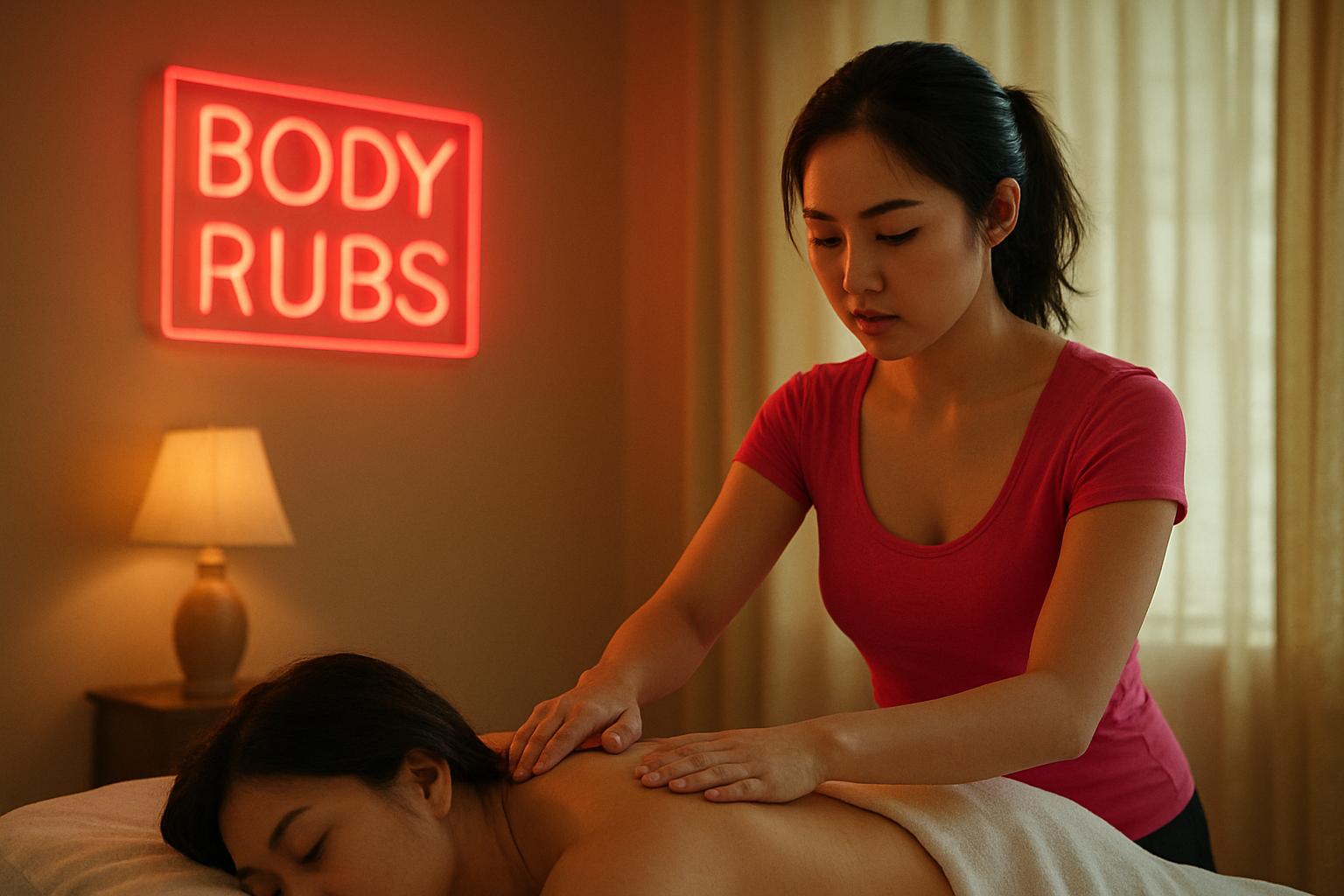

Montreal offers a wide range of touch-based services, from strictly clinical massage to the more ambiguous world of “body rubs.” Whether you’re seeking pain relief, deep relaxation, or simply an unfamiliar urban indulgence, understanding how these services operate in this city will save you time, money, and awkward moments. This guide walks through what to expect, how to choose a reputable provider, and how to keep your visit safe and respectful of local norms.
What people mean by «body rub» in Montreal
The phrase can mean different things to different people. For many, it’s shorthand for a sensual or erotic massage performed in a private room; for others it refers to a full-body therapeutic treatment offered by trained therapists. Montreal’s multicultural landscape means terminology and service styles vary widely, so listening to how a business describes itself is the first clue to what you’ll actually receive.
Because of that variation, it helps to separate intent and setting. Clinical or therapeutic treatments usually list techniques (deep tissue, Swedish, myofascial release) and emphasize training. Establishments that use euphemisms, vague service lists, or heavy emphasis on privacy may be signaling more ambiguous services. Read descriptions rather than assume.
Legal and regulatory landscape
Laws and enforcement priorities change, and municipal licensing adds another layer of rules on top of provincial and federal law. In Montreal, like many large cities, authorities focus on public safety, health inspections, and zoning. Businesses are expected to meet health and building codes, and reputable operators will happily point you to the permits they hold.
It’s important to be mindful that certain activities can fall into legal gray areas. If you want certainty, look for clinics that advertise registered therapists, clear pricing, and transparent policies. When in doubt, ask about the establishment’s credentials and whether practitioners are members of recognized professional associations.
Types of establishments and services
You’ll generally encounter several categories of businesses: medical or clinical practices, day spas and hotel spas, independent therapists working from studios, and venues that describe themselves with more ambiguous language. Each serves a different clientele and carries different expectations.
Clinical settings prioritize outcome-focused care for pain or rehabilitation. Spas emphasize relaxation and atmosphere. Independent practitioners often combine both approaches depending on their training. Places that skirt explicit detail may offer services that stray from mainstream massage practices, so approach them armed with questions and clear personal boundaries.
| Type | Typical focus | Ambiance | Typical client goal |
|---|---|---|---|
| Clinical/therapeutic | Pain relief, mobility | Clean, clinical | Rehabilitation, targeted treatment |
| Day spa/hotel spa | Relaxation, wellness | Quiet, luxurious | Stress relief, pampering |
| Independent studio | Mix of therapy & relaxation | Personal, intimate | Customized sessions |
| Ambiguous/erotic | Varies; often sensual | Private rooms, discreet | Adult-oriented services |
How to find a reputable place
Start with local directories and independent review sites, and cross-check on social media. Look for clear photographs of the facility, staff bios that list training, and straightforward pricing. If a website is deliberately vague about what happens during a session, that’s a red flag.
Word of mouth still matters. Ask friends or colleagues for recommendations, and read a range of reviews rather than just one or two glowing comments. I once booked a recommended small clinic in the Plateau; the therapist arrived with certificates in view, asked focused questions about my neck pain, and gave me a clear treatment plan. That kind of transparency earns my return business.
What to expect during an appointment
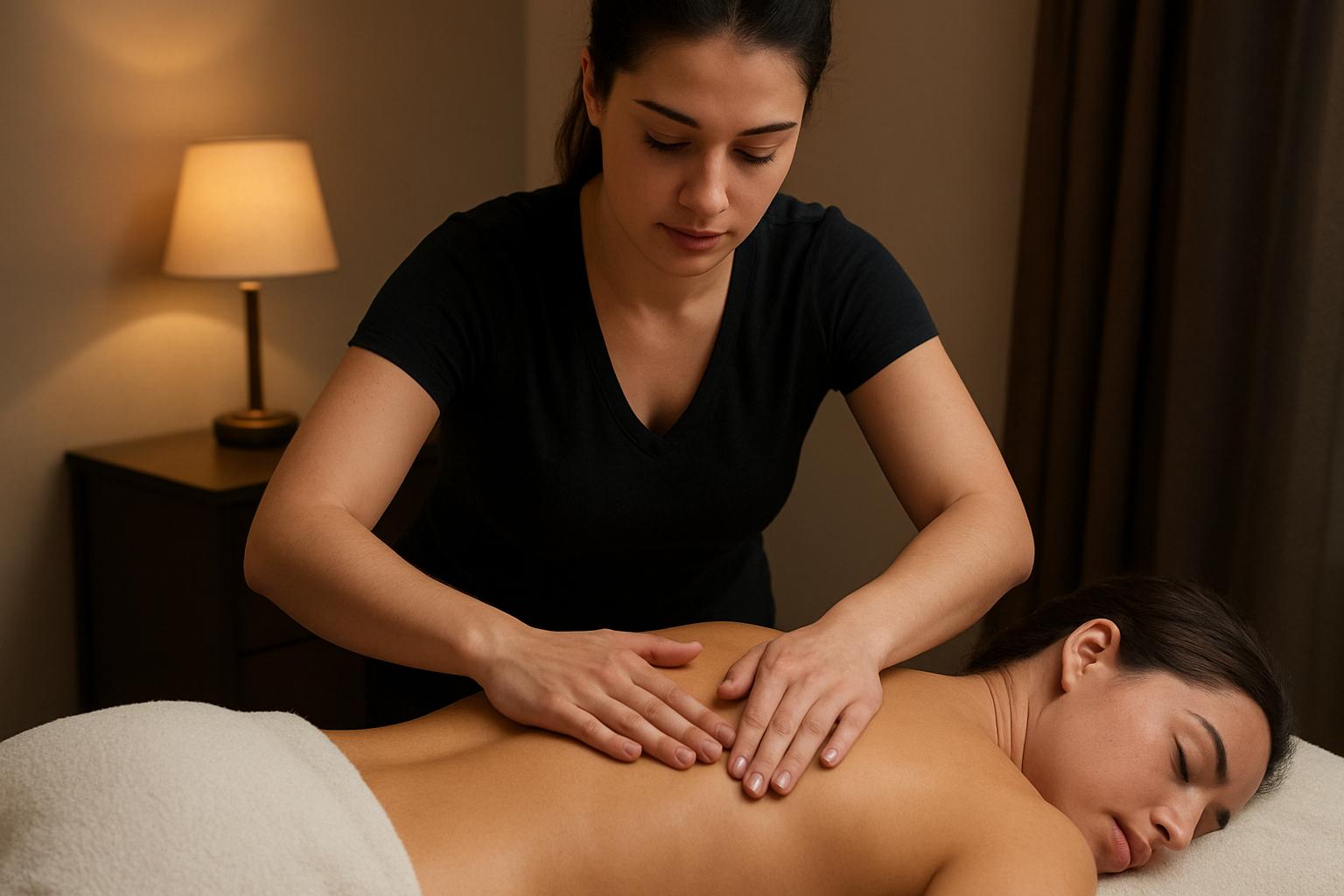
Appointments typically begin with a short intake: a form or conversation about your medical history, current complaints, and goals. This is the time to disclose injuries, recent surgeries, or conditions such as high blood pressure or pregnancy that could affect technique choices.
Practitioners should explain draping (how sheets or towels are used to cover the body) and request consent before starting. If something feels uncomfortable during the session, speak up—good therapists adjust pressure and technique. After the session, expect basic aftercare advice like hydration and recommended stretches or follow-up visits.
Etiquette and communication
Clear communication makes the experience better for everyone. Be precise about what you want—deeper pressure, more focus on a problem area, or a general relaxation session. Respect the practitioner’s policies on contact outside of appointments and avoid making inappropriate requests or comments.
Payment and tipping expectations vary. Many clinics and spas accept cards; some smaller studios prefer cash. In Canada, tipping around 10–20% for a good service is common, but check whether gratuity is already included in the price to avoid overpaying.
Safety, hygiene, and red flags
Cleanliness should be obvious: fresh linens, a tidy reception area, visible hand hygiene, and organized treatment rooms. Licensed clinics will often display certifications and may provide practitioners’ credentials on request. If a business refuses to answer basic questions about training or sanitization, consider that a warning sign.
Other red flags include ambiguous pricing structures, pressure to take services off-site, practitioners unwilling to discuss health concerns, or rooms with no visible way for staff to maintain oversight. Trust your instincts—if something feels off, it probably is.
Costs and timeframes
Expect a wide range of prices depending on location, type of service, and practitioner experience. Short sessions of 30 minutes can work for targeted treatment, while 60- to 90-minute sessions are standard for full-body work. Higher-end hotel spas and boutique studios usually command higher rates than neighborhood clinics.
- 30 minutes — typically focused work on one area
- 60 minutes — common choice for a full session
- 90+ minutes — deeper, more leisurely treatments
Neighborhood differences around Montreal
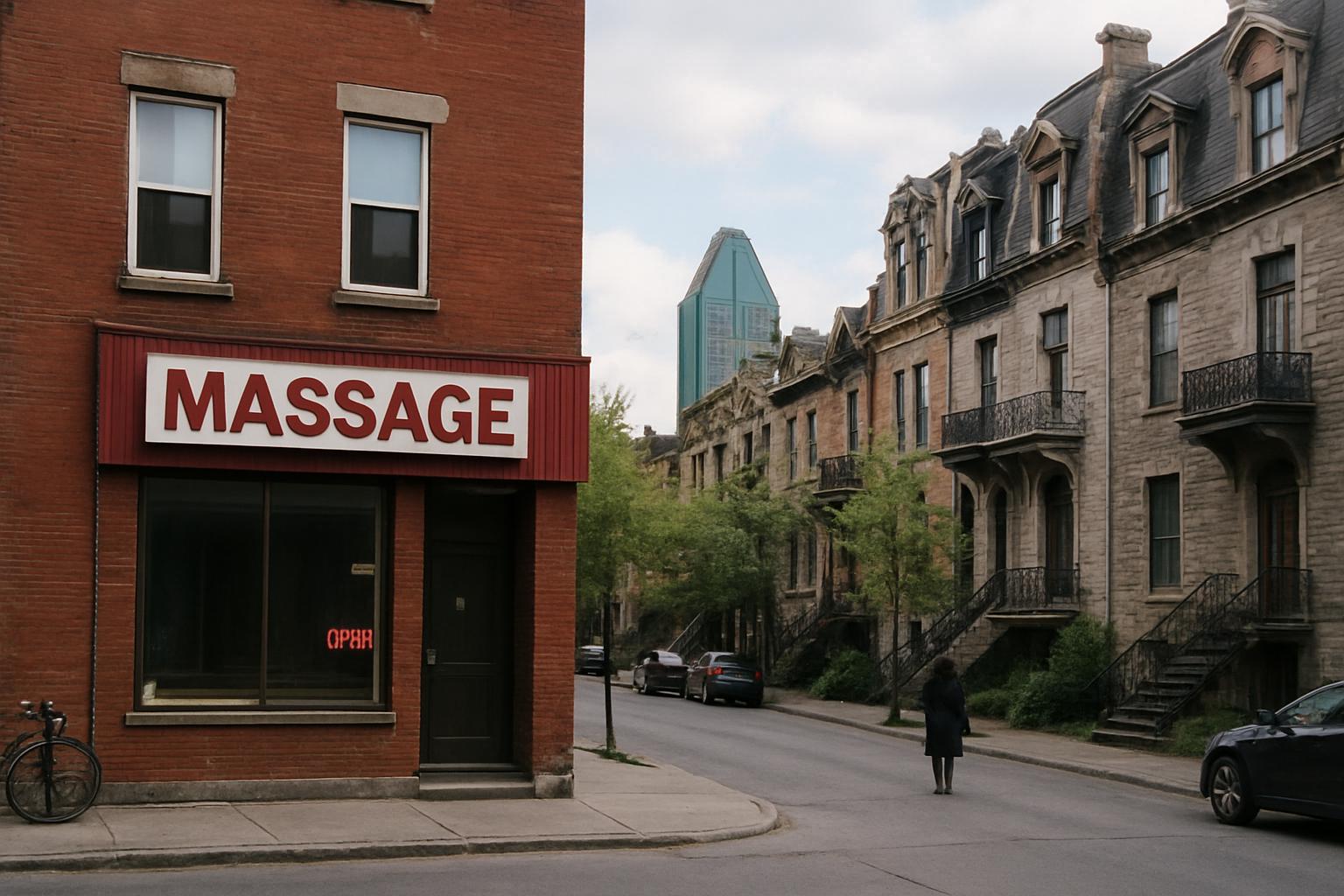
Montreal’s boroughs have distinct feels that influence the kinds of services available. Downtown and Old Montreal cater to tourists and upscale clients, offering polished hotel spas and luxury experiences. The Plateau, Mile End, and Rosemont tend to house independent studios and community-focused clinics where practitioners often blend modalities.
Exploring different neighborhoods reveals a spectrum of approaches. I once compared a hotel spa near the river with a tiny studio tucked into Mile End; one felt like a well-curated luxury break, the other like a focused therapeutic session tailored to my sore shoulders. Both had value—just different aims.
Questions to ask before you book
Prepare a short list to help you decide: What training does the practitioner have? Is the establishment licensed and insured? What exactly is included in the session, and are there cancellation or refund policies? Will you be asked to sign a consent form?
Asking these questions upfront avoids awkward moments and ensures the experience matches your expectations. Reputable operators welcome questions; evasiveness often signals that the service is not what you want.
Respect, discretion, and getting the most from your visit
Approach any session with respect for boundaries—both yours and the practitioner’s. Silence is often appreciated, but if you want music, conversation, or specific adjustments, say so. Aftercare matters: drink water, move gently, and follow any exercises recommended to prolong the benefits.
If your goal is therapeutic, consider regular sessions rather than a one-time visit. A series allows a practitioner to assess progress, adapt techniques, and help you reach longer-term mobility or pain-management goals. For relaxation, plan sessions around times when you can rest afterwards rather than heading straight back to a busy schedule.
Montreal has an abundance of options for anyone interested in touch-oriented services, from clinical therapy to indulgent spa treatments. Being informed—about terminology, legal context, hygiene standards, and etiquette—lets you choose a place that matches your needs and comfort level. With a little research and clear communication, a single appointment can become a useful part of your wellness routine or simply a welcome city treat.