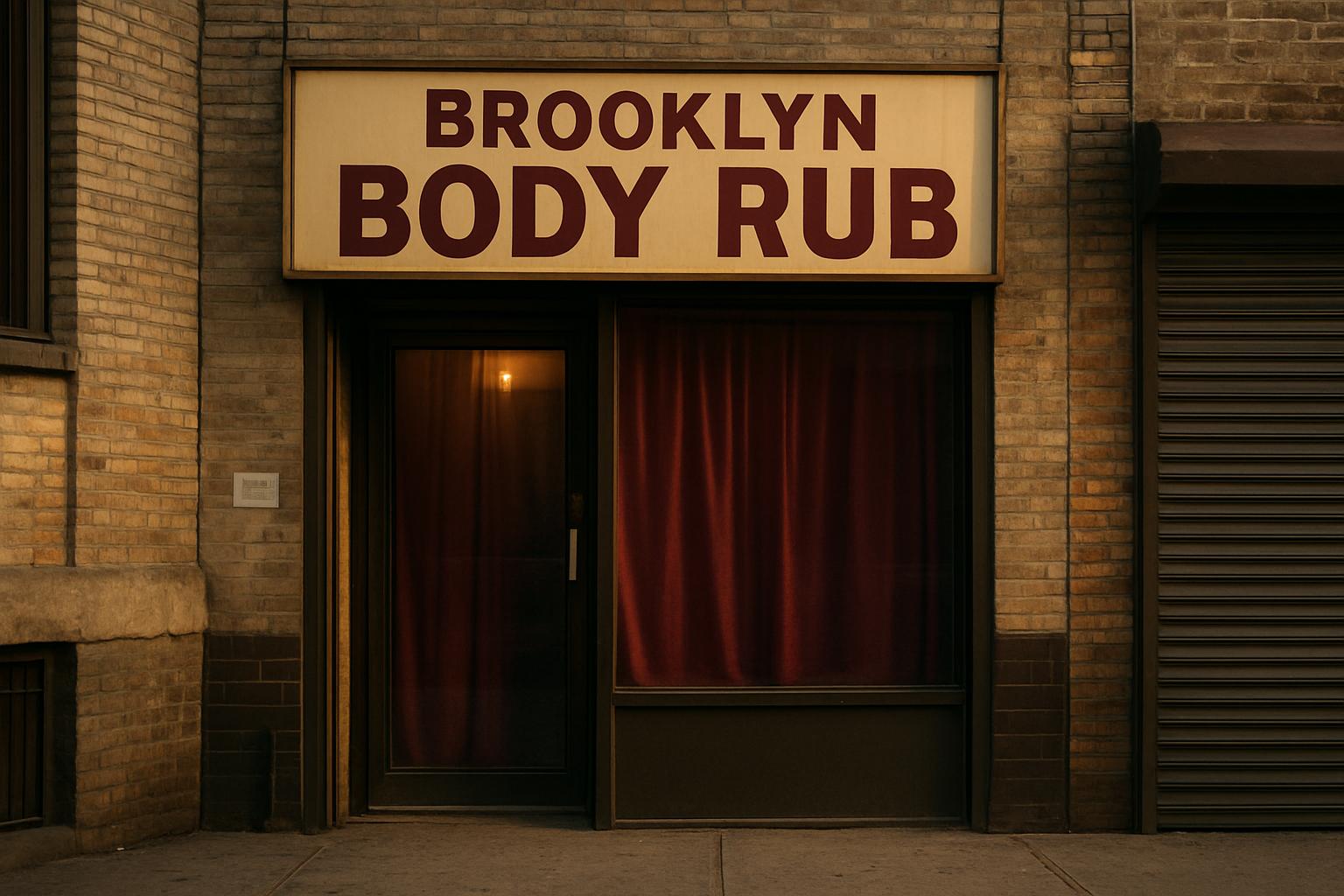

Brooklyn is a place where independent spas, neighborhood wellness clinics, and experienced therapists sit side-by-side with lesser-known storefronts. If you’re thinking about getting a body rub in Brooklyn, the term can mean different things depending on context, and knowing what to look for will save you time and protect your comfort. This guide walks through terminology, how to find reputable services, what happens in a session, and how to stay safe while getting the therapeutic care you want.
What the phrase can mean
The words «body rub» are deliberately broad and sometimes used as a catch-all. In many legitimate settings it simply describes a massage or hands-on bodywork session intended to relieve pain, reduce stress, or increase mobility. The same phrase can also be used by businesses whose services are ambiguous, which is why it’s important to read descriptions and ask questions up front.
Understanding the difference between therapeutic massage, clinical bodywork, and services of an explicitly sexual nature helps you set expectations. If a provider is clear about modalities, credentials, and boundaries, that’s usually a sign you’re dealing with a professional focused on health and well-being.
Common legitimate massage and bodywork types
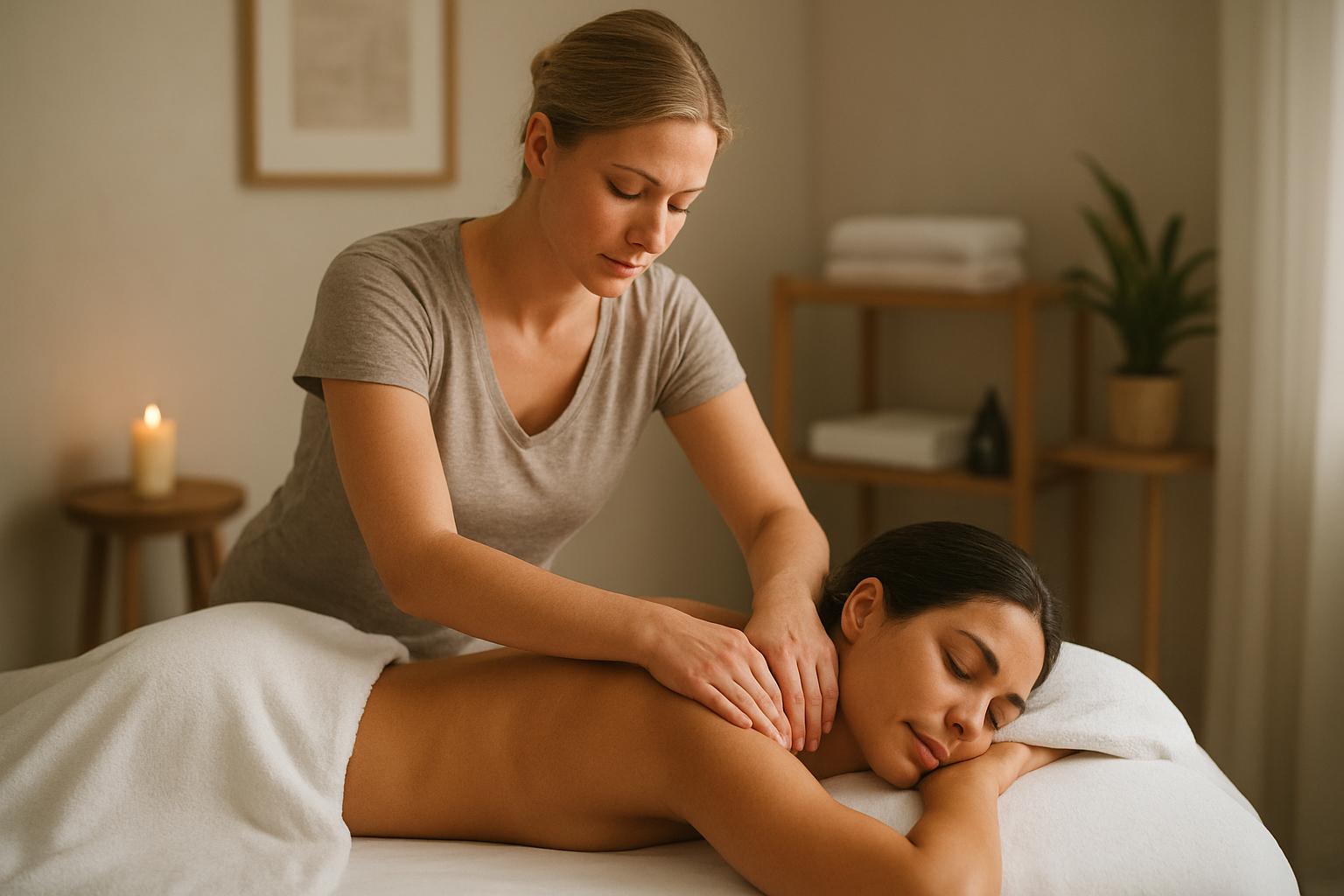
Licensed therapists and trained bodyworkers offer a wide range of modalities; each has a distinct focus and technique. Below is a brief table to help you distinguish common types so you can match a service to your goals.
| Type | Focus | Typical session |
|---|---|---|
| Swedish | Relaxation, circulation | 60–90 minutes; light to moderate pressure |
| Deep tissue | Chronic tension, muscle knots | 60–90 minutes; firmer pressure, slower strokes |
| Sports massage | Performance, recovery | 30–75 minutes; targeted work, may include stretches |
| Myofascial release | Fascial restrictions, mobility | 45–90 minutes; sustained pressure, gentle holds |
| Clinical/manual therapy | Injury rehabilitation, integrated care | 30–60+ minutes; assessment-based with therapeutic techniques |
Other offerings can include craniosacral work, lymphatic drainage, or energy-based approaches. Legitimate providers will describe what they do, how long it will take, and what benefits to expect.
Licensing, credentials, and how to verify them
Credentials matter because they reflect training, standards, and often insurance coverage. In the massage field, you’ll commonly see certifications from accredited schools, continuing-education courses, and sometimes national examinations. Practitioners may use titles like Licensed Massage Therapist (LMT), Certified Massage Therapist (CMT), or simply list their professional training.
When evaluating a provider, ask about education, years of experience, and relevant certifications. A reputable studio or therapist should be willing to provide that information and may display credentials on their website or in the treatment room. If something feels vague or evasive, move on to another option.
How to find a reputable provider in Brooklyn
Begin with neighborhood recommendations and local review platforms, but read reviews critically: look for consistent praise about professionalism, cleanliness, and results rather than just generic compliments. Word of mouth—friends, physical therapists, or doctors—can point you to practitioners who produce measurable outcomes. Social media and community groups can also be useful when they point to real client stories and photos of a clean, professional space.
Check whether the business requires intake forms, health histories, and informed consent before the first session; those are signs of professional practice. Booking systems that request deposits, confirm policies, and allow you to specify areas of focus also indicate a legitimate operation that values clear boundaries and mutual respect.
What happens during a session
A good session starts with a short intake and consultation where you describe your goals, pain points, and medical history. The therapist will explain their plan, ask about pressure preferences, and clarify what clothing is appropriate for the work. Communication is normal and encouraged throughout the session—therapists should check in about pressure and comfort.
On the table, the therapist will use draping to keep you covered except for the area being worked on, and professional practice requires respecting personal boundaries at all times. After the session, expect brief aftercare advice—hydration, stretches, or follow-up scheduling—so you can extend the benefits at home.
Health benefits and realistic expectations
Hands-on bodywork can reduce muscle tension, ease stress, improve circulation, and support recovery from minor injuries when done consistently. For chronic conditions like lower-back pain or repetitive strain, massage is often most effective as part of a broader plan that includes exercise, posture work, and sometimes medical care. Think of massage as a tool that complements other treatments rather than a standalone cure for complex conditions.
Results vary by person, frequency, and the specific techniques used. A single session can offer immediate relief and relaxation, while a short series yields better long-term improvements for persistent problems. Keep expectations practical and discuss measurable goals with your therapist so you can track progress together.
Pricing, tipping, and typical packages
Prices in Brooklyn range widely depending on location, therapist experience, and session length. Independent therapists in neighborhoods away from Manhattan tends to be more affordable, while boutique spas and therapist practices in high-demand areas charge more. Typical rates are quoted per 30 or 60 minutes, with common session lengths of 60 or 90 minutes for full-body work.
Many places offer package discounts, memberships, or sliding-scale options. Tipping is common in private practices and spas; 15–20% is standard in the U.S., though you can adjust based on service and your budget. Always confirm the cancellation policy and whether taxes or surcharges are added to the listed price.
Red flags and safety tips
Be cautious if a listing is vague about services, refuses to discuss training, or pressures you for cash-only payments without receipts. Unprofessional behavior, requests for nudity beyond professional draping, or any sexual propositions are clear red flags and grounds for leaving and reporting the business. Trust your instincts—if something feels off, that feeling is worth heeding.
Bring health concerns or medication lists to your appointment so the therapist can adapt techniques safely. If you have significant medical conditions—recent surgery, blood clot history, or uncontrolled hypertension—get clearance from a doctor before bodywork. Finally, note the business location, have a plan for getting home, and inform someone you trust if you’re trying a new place for the first time.
Neighborhood differences and what to expect around Brooklyn
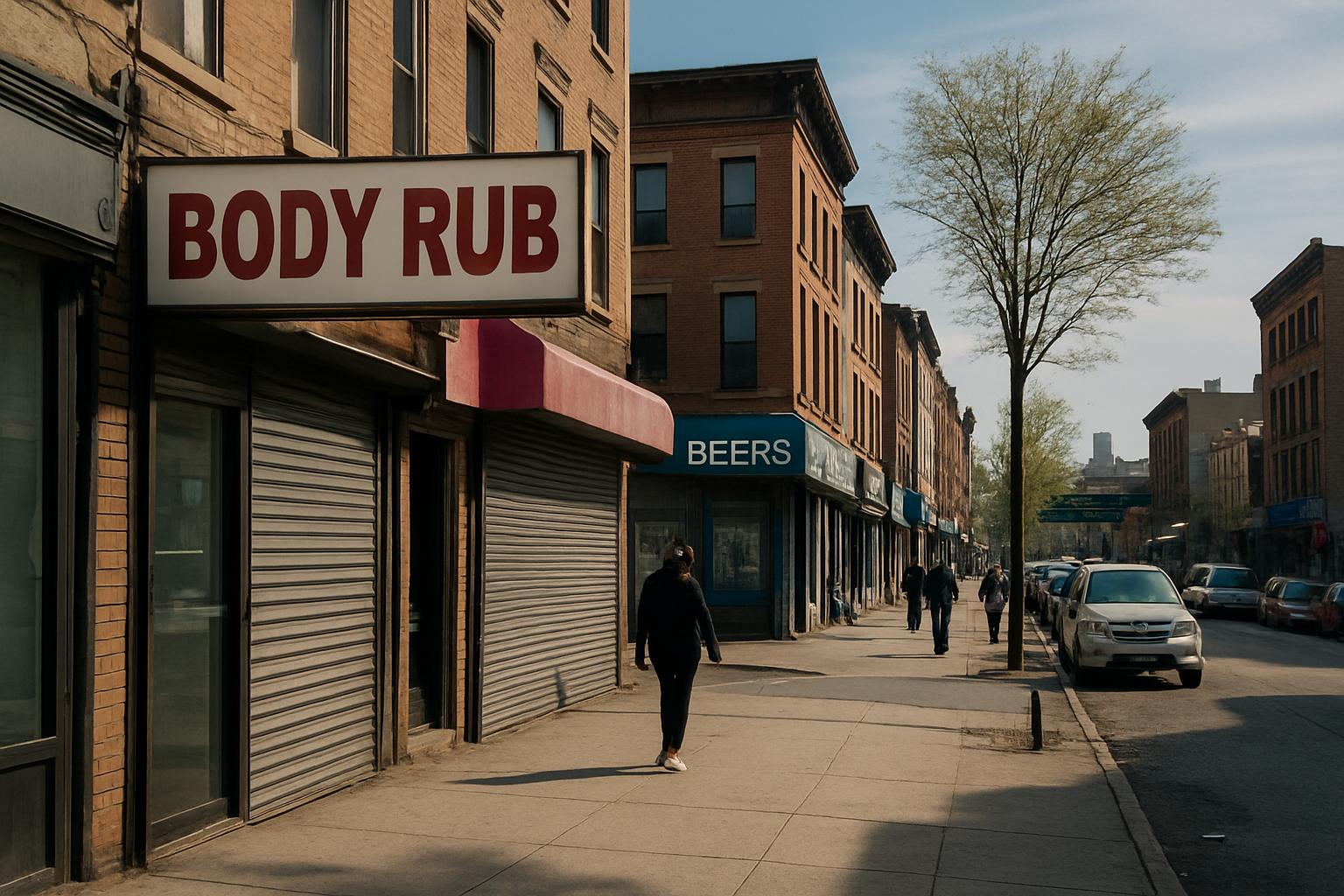
Each Brooklyn neighborhood tends to cultivate a different atmosphere. Areas with a higher density of boutique wellness spaces might emphasize integrative approaches and curated experiences, while more utilitarian storefronts focus on straightforward, affordable therapeutic work. Park Slope and Brooklyn Heights often host family-friendly spas, whereas Williamsburg and Bushwick are more likely to offer eclectic wellness studios.
Prices, booking norms, and the types of practitioners available will shift with neighborhood character. Exploring multiple options in your borough can reveal hidden gems—I once found a small, quiet clinic near Prospect Park where a therapist helped resolve a persistent shoulder issue after three sessions. Personal recommendations often lead to better matches than a search that only considers price.
Alternatives and at-home care
If you can’t get to a therapist, self-care methods like foam rolling, targeted stretching, heat/cold therapy, and guided mobility exercises can help maintain gains between sessions. Guided videos from qualified practitioners and short, consistent routines often yield better results than sporadic, intensive efforts. For ongoing pain, combining bodywork with physical therapy or a medical assessment provides a clearer path forward.
For last-minute stress relief, practices like progressive muscle relaxation, short breathing exercises, and a focused five-minute neck-and-shoulder stretch can reduce tension without special equipment. These tools don’t replace professional treatment but empower you to maintain comfort on busy days.
Choosing the right place and practitioner in Brooklyn comes down to clarity, professional standards, and fit. Ask questions, prioritize credentials and clear communication, and don’t be shy about requesting an initial consultation to feel out a therapist’s approach. With reasonable research and sensible expectations, a single thoughtful session can be the start of a practical self-care routine that supports your body and daily life.