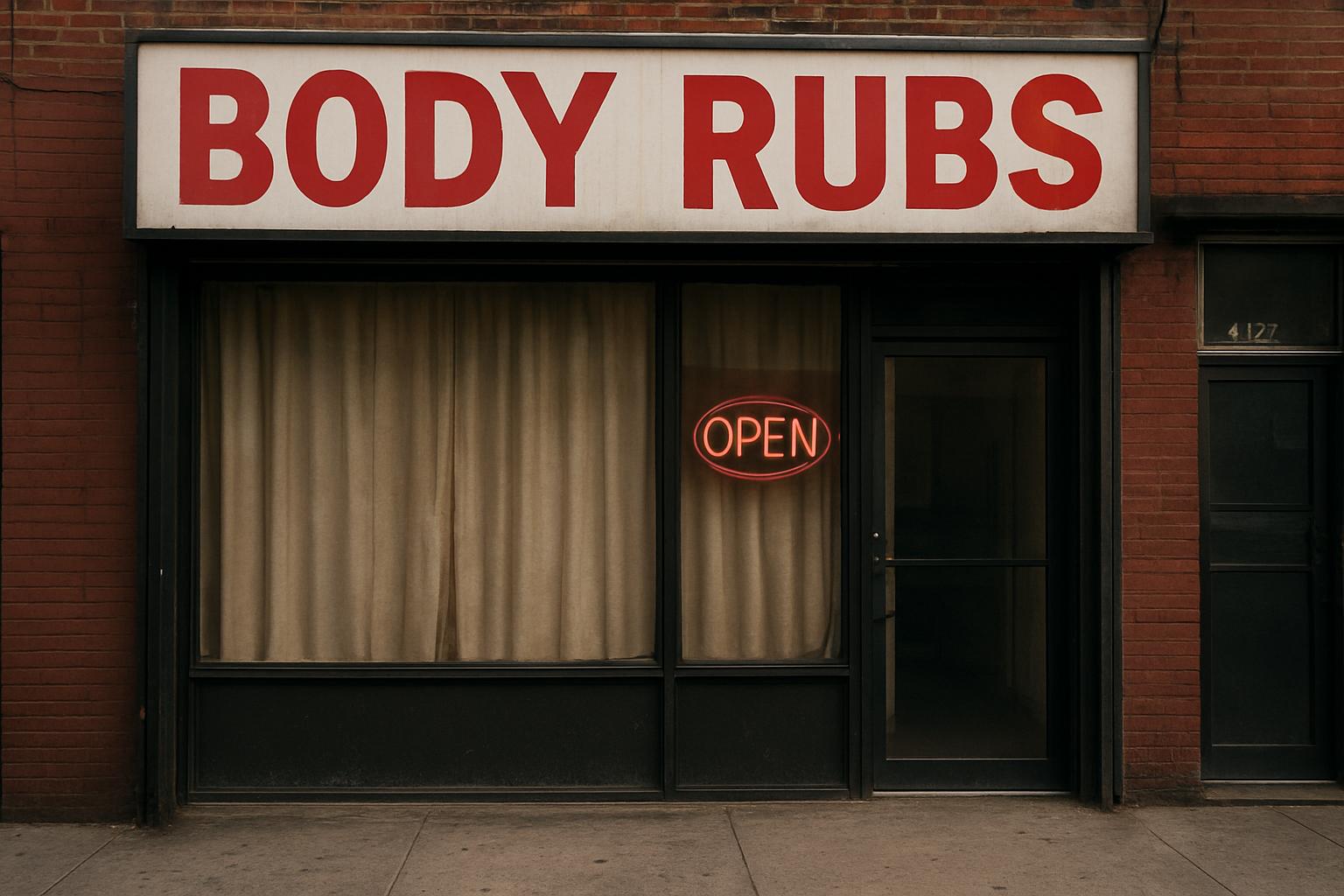

Queens is a borough of contrast: tree-lined neighborhoods, industrial corridors, and a surprising variety of wellness options tucked into strip malls and brownstone basements. For anyone seeking hands-on therapy—from Swedish relaxation to focused myofascial release—there are choices that blend professional training with neighborhood convenience.
Understanding the types of establishments
Not all places that advertise hands-on therapy are the same. You’ll find licensed massage clinics, day spas, chiropractic practices that offer therapeutic massage, and smaller independent therapists who operate by appointment from a private studio.
Each type serves different needs. Licensed clinics and established spas typically follow strict hygiene and documentation practices, while independent therapists may offer lower rates and more flexible scheduling, often specializing in specific modalities like sports massage or prenatal care.
Licensing, credentials, and legality
Professional credibility matters. Look for practitioners who are certified by recognized bodies or who display a state registration number; many therapists pursue continuing education and credentials in modalities such as trigger-point therapy, lymphatic drainage, or manual lymphatic techniques.
It’s also important to be aware of legal boundaries. Sexual activity in exchange for services is illegal, and reputable therapists make clear their professional standards and boundaries from the first phone call. If anything about an offering seems vague or illicit, it’s safer to walk away and find a licensed provider.
Where to search and how to vet options

Start locally: Google Maps, Yelp, and neighborhood Facebook groups are useful for initial discovery, and their reviews often highlight professionalism, booking ease, and therapist skill. Look for consistent, recent reviews rather than a few extreme thumbs-up or thumbs-down posts.
Make the call before you book. Ask about practitioner qualifications, the modalities they offer, draping policies, and whether they require intake forms. A direct conversation reveals a lot about transparency and how the business treats clients.
What to expect during a session
A typical visit begins with a brief intake to review your health history and current concerns. Therapists will ask about pain, injuries, and medications to tailor the session and ensure safety.
Communication continues during the massage: therapists should check your comfort with pressure, position, and any areas to avoid. Draping is standard practice to protect your modesty, and any deviation from that norm in a professional setting is a red flag.
Common modalities and which one might suit you
Swedish massage is the default for relaxation, using long, gliding strokes to reduce tension and stimulate circulation. Deep-tissue and sports techniques focus on breaking up adhesions and improving mobility and are better for chronic pain or athletic recovery.
If you’re dealing with specific conditions—like sciatica, frozen shoulder, or postural headaches—look for therapists who advertise clinical or orthopedic training. Sometimes a practitioner will combine techniques in a single session to address both relaxation and targeted therapeutic goals.
Pricing, session length, and tipping
Prices vary widely depending on the setting and therapist experience. Below is a quick guide to common price ranges for a 60-minute session in Queens, which should help set expectations before you book.
| Type of provider | Typical 60-minute rate |
|---|---|
| Licensed clinic / high-end spa | $90–$150 |
| Independent licensed therapist | $60–$100 |
| Mobile therapist (in-home) | $80–$140 (plus travel fee) |
Tipping is customary in the U.S. for good service—around 15–20 percent is typical—but always check whether the clinic has a service charge or if therapists are employees versus contractors. Cash is still common, but many places now accept cards and apps.
Safety, hygiene, and red flags to watch for
Reputable places emphasize clean linens, sanitized equipment, and clearly posted policies on cancellations and refunds. Therapists should offer disposable materials where appropriate and be willing to discuss infection-control measures if you ask.
Watch out for several warning signs: ambiguous pricing, insistence on cash-only payment, offers of “extras” not listed on the menu, or therapists who push for sexual contact. These are indicators that the business is operating outside professional norms and possibly the law.
Etiquette and how to communicate your needs
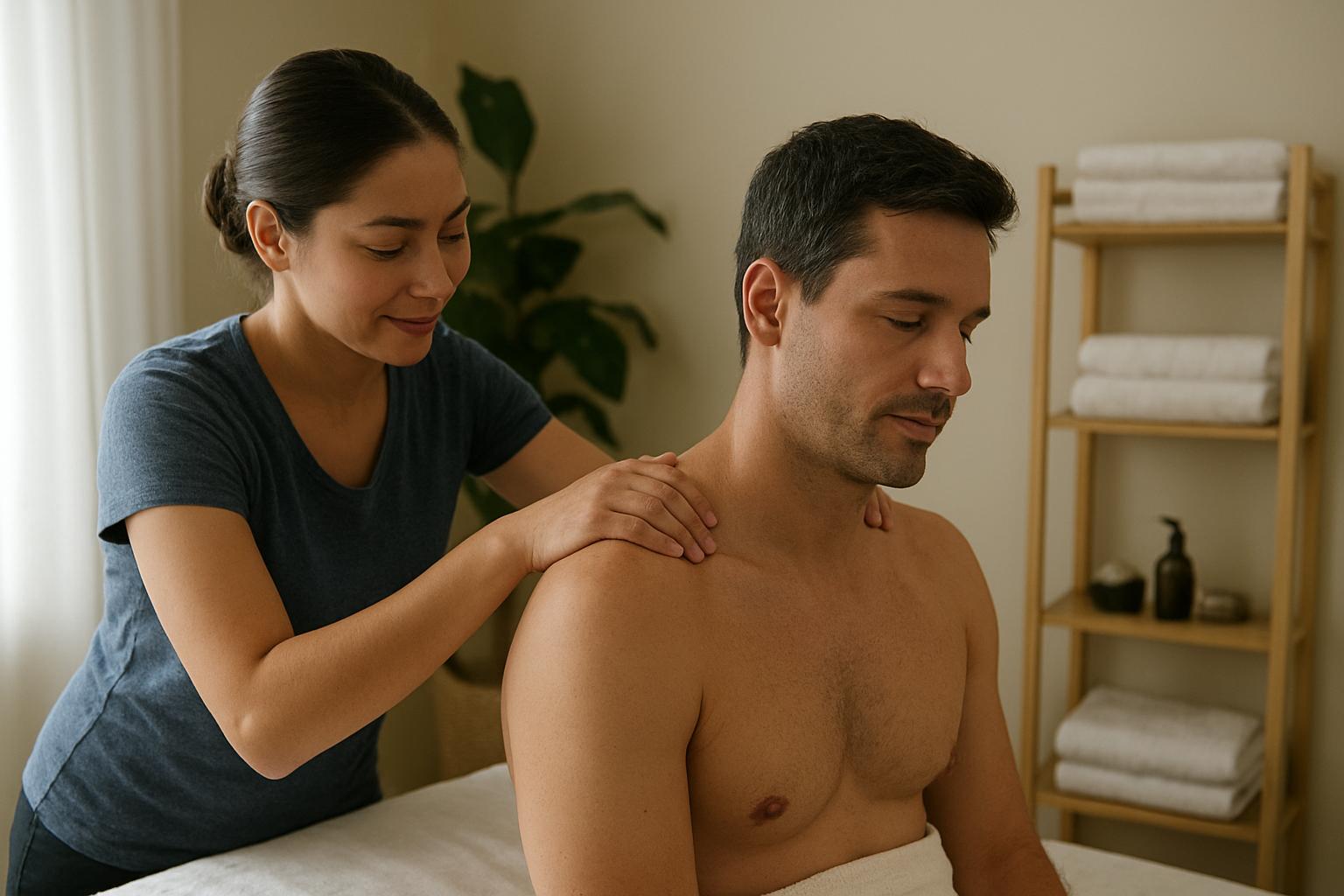
Arrive a few minutes early to fill out intake forms and settle in, and be honest about any injuries or medical conditions. If you have a specific pain point or pressure preference, say so early—therapists prefer clear direction and will respond better than to guessing at your comfort level.
Respect boundaries: therapists will usually explain draping and areas they won’t work on without your explicit consent. If a touch feels inappropriate, stop the session immediately and report the behavior to the clinic manager or regulatory agency if necessary.
Personal experience and how it shaped my approach
I once saw a therapist in Long Island City for persistent shoulder pain after too many hours at a desk. The clinic was modest but professional; the therapist reviewed my posture, adjusted pressure as I requested, and gave simple follow-up stretches that made a measurable difference within a week.
That visit taught me to prioritize clear communication and a willingness to try one or two sessions before declaring a provider “not for me.” Skill and fit can vary, but responsiveness and respect are consistent markers of a good practitioner.
When to seek medical or specialized care
Massage can help many musculoskeletal complaints, but it’s not a substitute for medical diagnosis. If you have unexplained swelling, sharp nerve pain, a recent fracture, or systemic symptoms like fever, consult a physician before booking a hands-on session.
For chronic or complex conditions, consider practitioners who work closely with other healthcare professionals—physical therapists, chiropractors, or physicians—so your care is coordinated and evidence-based.
Making the right choice for your needs
Start with a clear goal: do you want relaxation, pain relief, or help with athletic recovery? Use that goal to narrow your search and choose therapists who advertise relevant specialties or certifications. A simple phone call or email can confirm whether they’re a good match.
Trust your instincts. If a place feels unprofessional or you’re uncomfortable with their policies, move on. Queens is diverse enough that another well-reviewed option is almost always a short ride away.
Finding a responsible, effective hands-on therapist in Queens means balancing practical checks—credentials, cleanliness, transparent pricing—with softer factors like communication style and personal comfort. Whether you need a restorative session after a long week or targeted work for a stubborn injury, a carefully chosen provider can make a big difference.
Prioritize safety, ask questions up front, and expect clear boundaries and professional conduct. When those elements are in place, you’re more likely to receive a therapeutic experience that leaves you feeling better and confident about returning.