
Tantric massage touch is less about technique and more about presence — a slow, deliberate conversation between bodies that restores awareness, connection, and calm. This guide walks through what it is, how to prepare, and simple steps you can try at home or within a professional setting. Read slowly, practice gently, and let the process reshape how you think about touch.
What tantric massage touch really means
At its heart, this approach blends slow touch, breath, and focused attention to awaken the body’s subtle sensations. It borrows from tantric traditions while remaining adaptable to contemporary therapeutic and intimate settings. The goal is not performance; it is to cultivate sustained awareness and to allow sensations to unfold rather than force them.
Many people mistake it for something erotic only, but experienced practitioners emphasize consent, boundaries, and emotional safety. When done well, it can deepen trust and help release tension patterns held in the muscles and nervous system. Think of it as training the body to notice itself again.
Core principles that guide the practice
Presence is the first principle: the giver holds attention like a warm, steady beam, scanning for subtle shifts rather than chasing dramatic responses. Breath coordination follows; synchronizing in-breaths and out-breaths with touch creates a shared rhythm that calms the nervous system. Intention matters too — clear, compassionate purpose steadies both giver and receiver.
Gentleness, continuity, and non-goal orientation are essential. Movements are slow, continuous, and exploratory; they avoid abrupt starts or stops. The work values sensory noticing over achievement, so results are often described as calming, grounding, or clarifying rather than merely pleasurable.
| Principle | Practical effect |
|---|---|
| Presence | Enhanced attunement and safety |
| Breath | Regulated nervous system and shared rhythm |
| Non-goal focus | Reduces performance pressure and fosters relaxation |
Preparing the space and the mind
The physical environment should feel safe and comfortable: soft lighting, a warm temperature, clean linens, and a few cushions can transform a room. Aromas should be subtle; strong scents distract more than they enhance. Silent phones and an agreed time frame prevent interruptions and honor the container you’re creating.
Mental preparation is equally important. Both participants should set clear intentions and review boundaries out loud before starting. A short grounding exercise — three coordinated breaths, simple eye contact, and a gentle hand on the shoulder — creates a bridge from everyday thinking to embodied attention.
- Clean, warm room and comfortable surface
- Open, explicit consent and boundary check
- Soft lighting and minimal distractions
Step-by-step practice for beginners
Below is a simple sequence you can practice alone or with a partner. Move slowly, speak little, and check in often. These steps are suggestions, not rules, so adapt them to your comfort and needs.
-
Centering: Sit or stand facing each other. Take three deep, synchronized breaths, feeling the ribcage expand and soften. Use this time to set an intention, whether it’s relaxation, exploration, or connection.
-
Open-handed arrival: Begin with light, open palms on shoulders or upper back, using minimal pressure. Keep strokes slow and continuous to invite the nervous system to relax. Let the hands «arrive» rather than probe.
-
Full-body scanning: Glide hands in long, slow strokes from the torso to the limbs, maintaining contact even when directions change. This continuity builds trust and helps locate tight or sensitive areas. Avoid lingering with force; curiosity works better than correction.
-
Breath synchronization: Invite deeper, slower breaths and match them with the rhythm of your hands. On an in-breath, you might lift slightly; on the out-breath, allow the touch to settle. This shared pacing reduces reactivity and deepens presence.
-
Feathering and pausing: Introduce lighter, feathered touches to the arms, neck, and jaw, alternating with longer, grounding strokes. Pauses are powerful; a held hand can communicate acceptance and safety more than continuous motion.
-
Closure and integration: Finish with a gentle hold and three synchronized breaths. Offer a brief space to rest, then check in verbally about how the receiver feels. Aftercare — warm tea, blankets, or quiet conversation — helps integrate the experience.
Techniques of touch to explore
Long, gliding strokes along muscle lines and short circular movements over tension points produce different responses. Gliding calms and organizes, while small circles can release localized tightness. Varying texture — palm, fingertips, knuckles — engages different receptors and keeps sensation fresh.
Again, pressure should be guided by feedback; what feels grounding to one person might feel intrusive to another. Maintain an internal checklist: are you steady, present, and responsive? If the answer slips, slow down and re-establish contact with breath and eyes.
Consent, communication, and safety
Consent is not a one-time checkbox; it’s an ongoing dialogue. Begin with explicit agreements about areas that are off-limits and preferred pressure, then check in during the session with short invitations like «Is this okay?» or «How does that feel?» These small queries prevent misunderstanding and build trust.
Be attentive to nonverbal cues: muscle tightening, breath changes, and facial expressions all signal how a person is experiencing the touch. If someone withdraws or goes quiet, pause the hands and breathe together before proceeding. Safety includes physical considerations too — avoid working across recent injuries or disregarding medical conditions.
Common mistakes and how to avoid them
Rushing is the most frequent error; speed undermines the practice’s calming intention. If you feel impatient, slow your hands and your breath — slowing externally changes internal states. Another common mistake is talking too much; words can puncture the sensory flow. Keep language minimal and purpose-driven.
Ignoring aftercare is also problematic. Leaving someone to re-enter daily life immediately after a deep, embodied session can create disorientation. Offer water, blankets, or quiet time and encourage gentle movement before leaving. Small gestures of care extend the benefits of the work.
Training, ethics, and professional practice
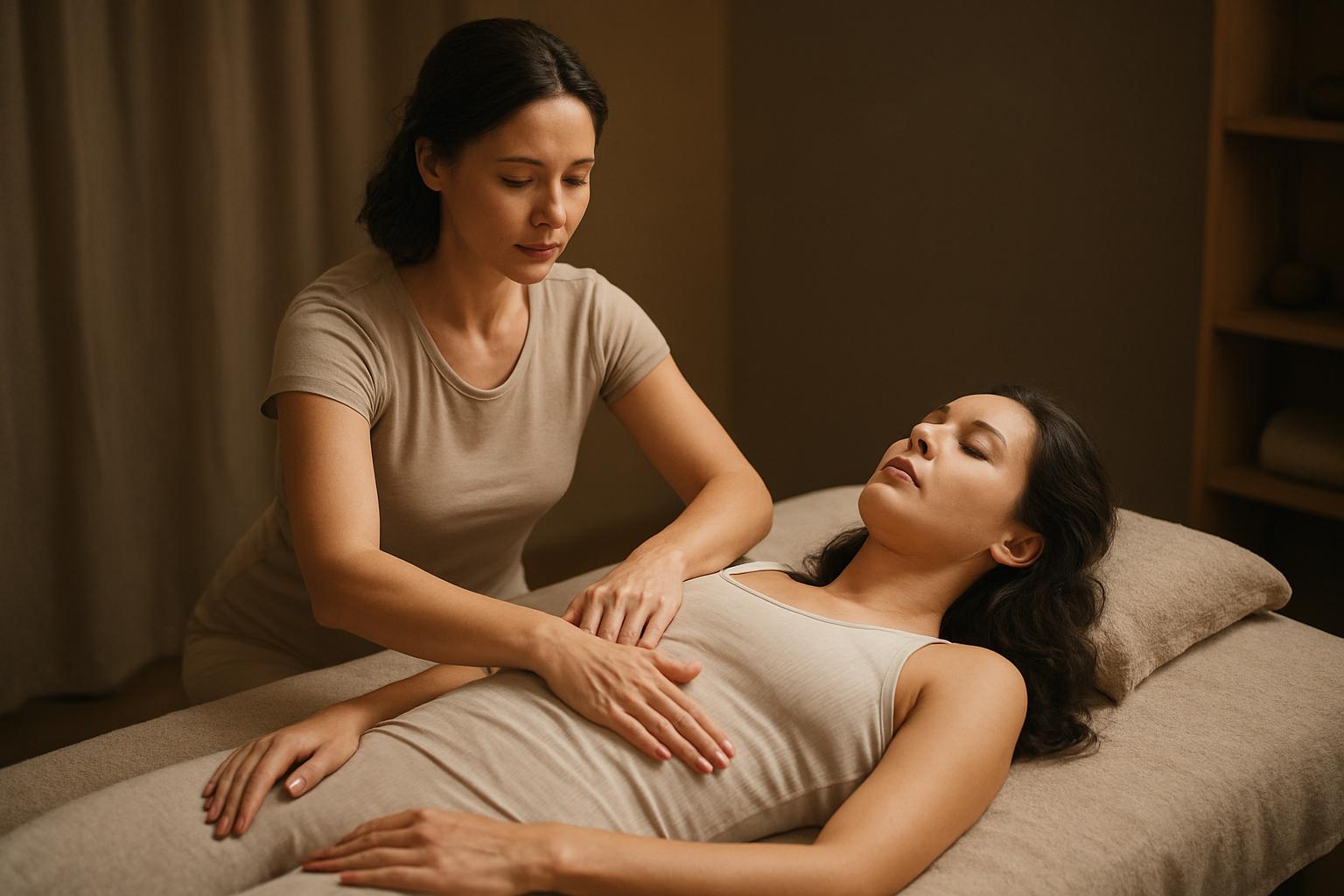
If you plan to offer this work professionally, formal training and ethical guidance are non-negotiable. Seek programs that include somatic principles, consent practices, trauma sensitivity, and supervised practice hours. Licensing and local regulations vary, so verify what applies in your area before advertising professional services.
Professional ethics include clear boundaries about sexual conduct, transparent pricing, and informed consent forms. Many ethical practitioners offer sliding scales and clear referral pathways if a client’s needs exceed the scope of touch practice. A responsible approach protects both practitioner and client.
Real-life example from practice
Early in my work I saw a client who arrived tense and guarded, expecting a «massage» in the sporty sense. We began with three breaths and very light, continuous strokes along the shoulders. By the third breath her jaw unclenched and tears came; she later said the slow touch had let her grief surface in a way words never could.
That session taught me to honor silence and to prioritize presence over technique. The change was not dramatic in minutes but steady: she left with a clearer breath and a softer posture. Small, consistent attention can produce lasting shifts when held with respect and patience.
How to continue learning and practicing
Practice in short, regular sessions rather than one long demonstration. Ten to twenty minutes several times a week builds sensitivity and trust. Pair practice with journaling about sensations and emotional shifts so you can track subtle changes over time.
Workshops, mentorships, and peer practice groups accelerate learning more than solitary study. Watching experienced practitioners, receiving sessions, and receiving feedback on your own touch are invaluable. Keep curiosity alive; the work deepens the more you practice it with humility.
Tantric massage touch invites a return to attentive contact — slow, respectful, and richly felt. Whether you approach it for stress relief, relational intimacy, or somatic exploration, the practice rewards patience. Start simply, keep consent central, and let the body lead the conversation at its own pace.