
Walking into an unfamiliar spa can feel like stepping into another world — different scents, new rhythms, and a promise of something beyond the ordinary. For many people, an exotic massage service offers a way to explore that otherness: techniques and traditions that originated far from home, delivered in a professional, restorative setting.
What «exotic» means in a massage context
Exotic is a word that often signals something foreign, rare, or culturally distinct. In the massage world it usually refers to treatments that draw on non-Western traditions, unique rituals, or a blend of sensory elements like tropical oils, ceremonial music, and signature movements.
That label can be useful, but it can also be vague. Not every treatment marketed as exotic is authentic or rooted in its claimed origin; some are modern fusions created to appeal to local tastes and spa trends.
When you hear the phrase exotic massage service, think of it as an invitation to explore a style that emphasizes cultural flavor and sensory detail — rather than an automatic promise of novelty or mystery.
Popular styles and their origins
Many of the treatments described as exotic trace back to specific places and philosophies. Thai massage blends acupressure, stretches, and yoga-like moves; Balinese massage combines gentle stretches, aromatherapy, and deep pressure; Lomi Lomi from Hawaii emphasizes flowing, forearm-based strokes intended to soothe body and spirit.
Other approaches come from broader regional traditions. Thai and Indonesian techniques often focus on energy lines and stretching, while Japanese shiatsu uses finger pressure along meridians. Some spas also offer Caribbean or South American-inspired options that incorporate tropical botanicals and rhythmic sequences.
Below is a simple table comparing a few commonly offered styles so you can see the differences at a glance.
| Style | Origin | Primary focus |
|---|---|---|
| Thai | Thailand | Stretching, acupressure, mobility |
| Balinese | Indonesia | Long strokes, aromatherapy, relaxation |
| Lomi Lomi | Hawaii | Flowing forearm work, rhythmic smoothing |
| Shiatsu | Japan | Finger pressure on meridians, balancing energy |
Health benefits and what the research says
Massage in its many forms offers both immediate and longer-term benefits: decreased muscle tension, improved circulation, lowered stress hormones, and a subjective sense of well-being. These effects are well documented for therapeutic and relaxation massage and translate to many culturally distinct techniques as well.
Some styles emphasize mobility and joint health, while others target nervous system regulation through slow, rhythmic touch. The choice of technique will shape the outcomes — for example, a Thai session can increase range of motion, while a Balinese treatment may be more effective for easing anxiety.
It’s important not to treat exotic or traditional massages as cures for serious medical conditions. They can complement medical care, help with recovery, and improve quality of life, but you should consult a healthcare professional if you have specific health concerns.
How to choose a reputable provider
Finding a trustworthy establishment matters more than the label attached to a treatment. Look for spas that clearly list practitioner qualifications, explain the technique, and maintain transparent hygiene and safety standards.
Reputation is valuable: read reviews, ask friends for recommendations, and check whether the spa is affiliated with recognized professional organizations. A short phone call to ask about therapist training and licensing can save you from an uncomfortable experience.
Here is a quick checklist to use before booking:
- Verified practitioner credentials and training
- Clear description of the treatment and what to expect
- Clean, private treatment rooms and visible hygiene practices
- Policies on consent, boundaries, and refunds
Etiquette, consent, and setting expectations
Good etiquette creates a safe, respectful experience. Practitioners should always explain the procedure, ask about contraindications, and invite you to state preferences about pressure, music, and lighting.
Consent and boundaries are critical. Discuss draping protocols and dress expectations ahead of time. A legitimate spa will encourage you to speak up if something feels uncomfortable and will honor your limits without pressure.
Tipping and timing are part of the social contract: tipping customary in many places, and arriving a few minutes early helps you settle in so the session begins relaxed rather than rushed.
Practical tips for your first visit
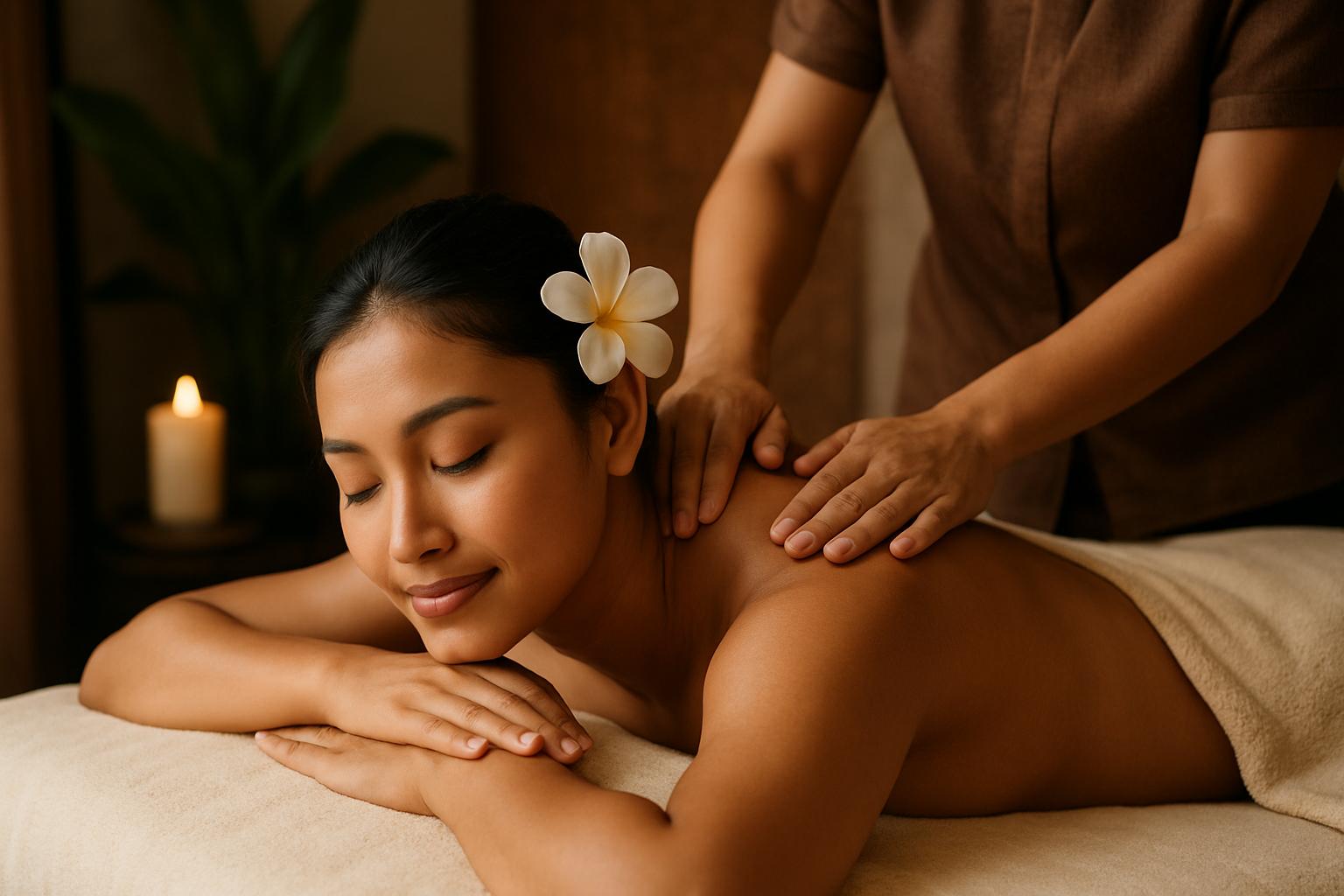
Prepare by hydrating and avoiding heavy meals right before your appointment. Wear comfortable clothing to the spa and plan for gentle activity after a deeper session — your body may feel pleasantly loose but slightly tender.
Communicate openly with your therapist about any injuries, sensitivities, or areas to avoid. If you’re curious about cultural authenticity, ask about a practitioner’s training in the specific tradition you’re booking.
Consider starting with a shorter session to sample the technique. A 30- or 45-minute introductory treatment lets you experience the approach before committing to a longer, more intensive session.
Pricing, packages, and what’s included
Prices for specialty treatments vary widely depending on location, the practitioner’s expertise, and the inclusion of extras like specialized oils or rituals. Expect to pay more for experienced therapists or luxury settings.
Below is a general price guideline in U.S. dollars to help you set expectations. These are approximate ranges and will differ by city and spa caliber.
| Session length | Typical price range (USD) | Common inclusions |
|---|---|---|
| 30 minutes | $50–$90 | Focused area work, short session |
| 60 minutes | $90–$150 | Full-body treatment, aromatherapy |
| 90 minutes | $130–$220 | Extended care, rituals, extras |
Packages may combine multiple sessions, add-ons like flower baths or hot stones, or membership pricing for regular visits. Ask what the package covers to avoid surprises.
My experience and a real-life example
Years ago I booked a Balinese-inspired session on a weekend when sleep had been elusive. The room smelled faintly of frangipani, the therapist used long, flowing forearm strokes, and within twenty minutes my breathing slowed and habitual tension melted.
That visit wasn’t about exotic spectacle; it was about sensory coherence — scent, movement, and touch working together to shift my nervous system out of fight-or-flight. I left with reduced neck stiffness and a clearer headspace, which made the experience feel both pleasurable and practically restorative.
Since then I’ve sampled a few other styles, and what stands out is how different traditions prioritize different outcomes. Choosing the right style made each visit more effective for whatever I needed that day.
Aftercare and integrating the benefits into daily life
After a session, keep drinking water to help flush metabolic byproducts released during massage. Gentle stretching and a short walk can help sustain the increased mobility gained during treatment.
Consider scheduling regular sessions if you respond well; consistency often yields better results than a single, occasional visit. Integrate small daily practices that echo the treatment’s benefits, like brief stretching, mindful breathing, or a relaxing nighttime oil rub.
Finally, treat your experience as part of a broader wellness routine. Massage can amplify the benefits of good sleep, a healthy diet, and moderate exercise, creating a multiplier effect for both body and mind.
Finding balance between novelty and safety
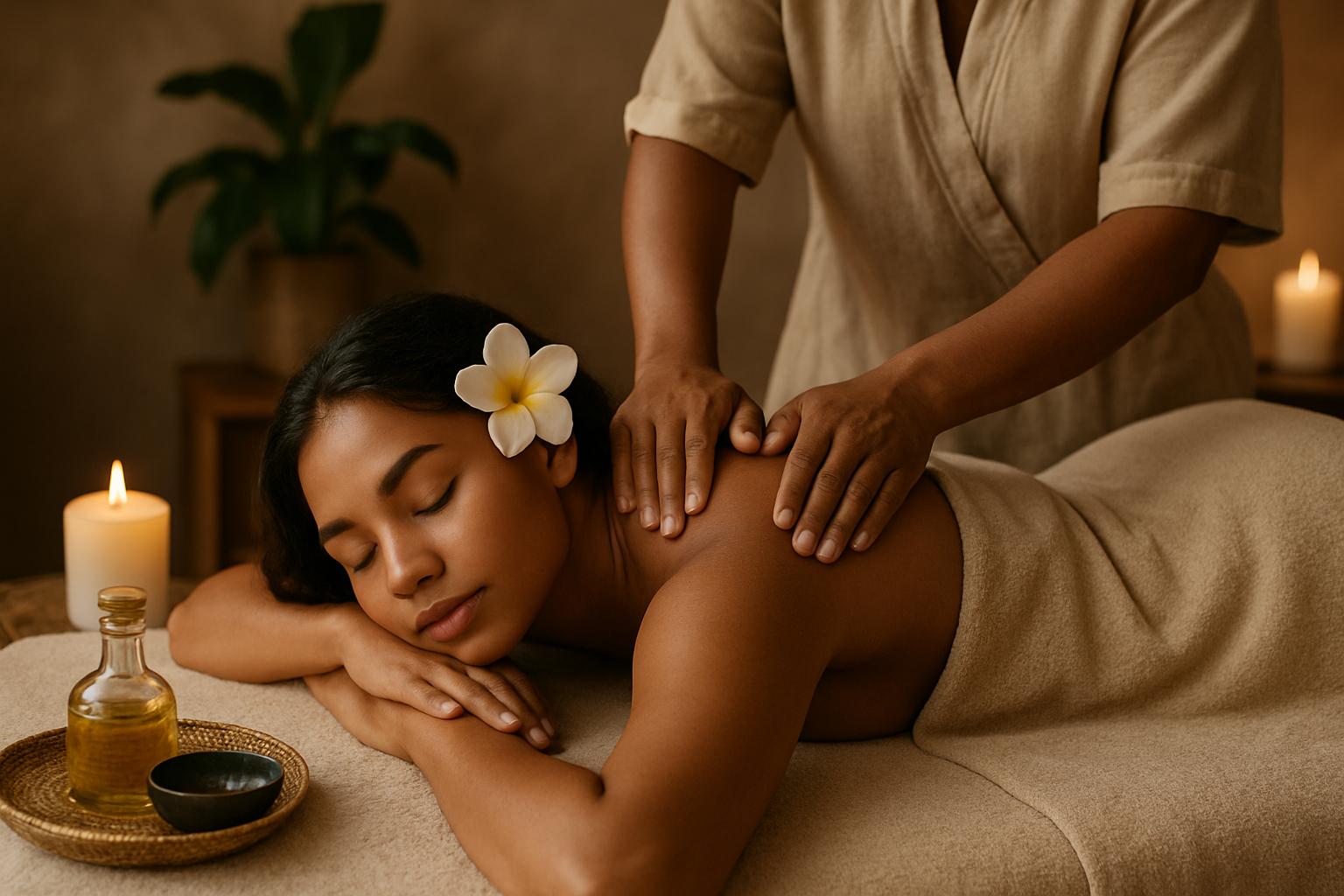
It’s natural to be enticed by the promise of something new, colorful, or exotic. That curiosity can lead to memorable, restorative experiences when balanced with sensible precautions: vet the provider, clarify treatment scope, and be ready to say no.
A thoughtfully administered exotic massage service can transport you for an hour while also offering genuine therapeutic value. The best experiences blend cultural integrity, skilled touch, and clear communication so you feel both cared for and safe.
If you’re open to exploration, pick a style that aligns with your goals — relaxation, mobility, or stress relief — and allow the combination of technique, scent, and rhythm to do its work. You might return not for the novelty, but for the way your body and mind remember the relief.