
A properly delivered full body rub is more than pampering; it’s a practical, sensory way to reset muscles, quiet the mind, and reconnect with your body. Whether you’re preparing for an intense training cycle, recovering from a long flight, or simply carving out time to breathe, a thoughtful approach makes all the difference. This article walks through what to expect, how to prepare, safe techniques, and how to get the most from each session.
Why a whole-body approach matters
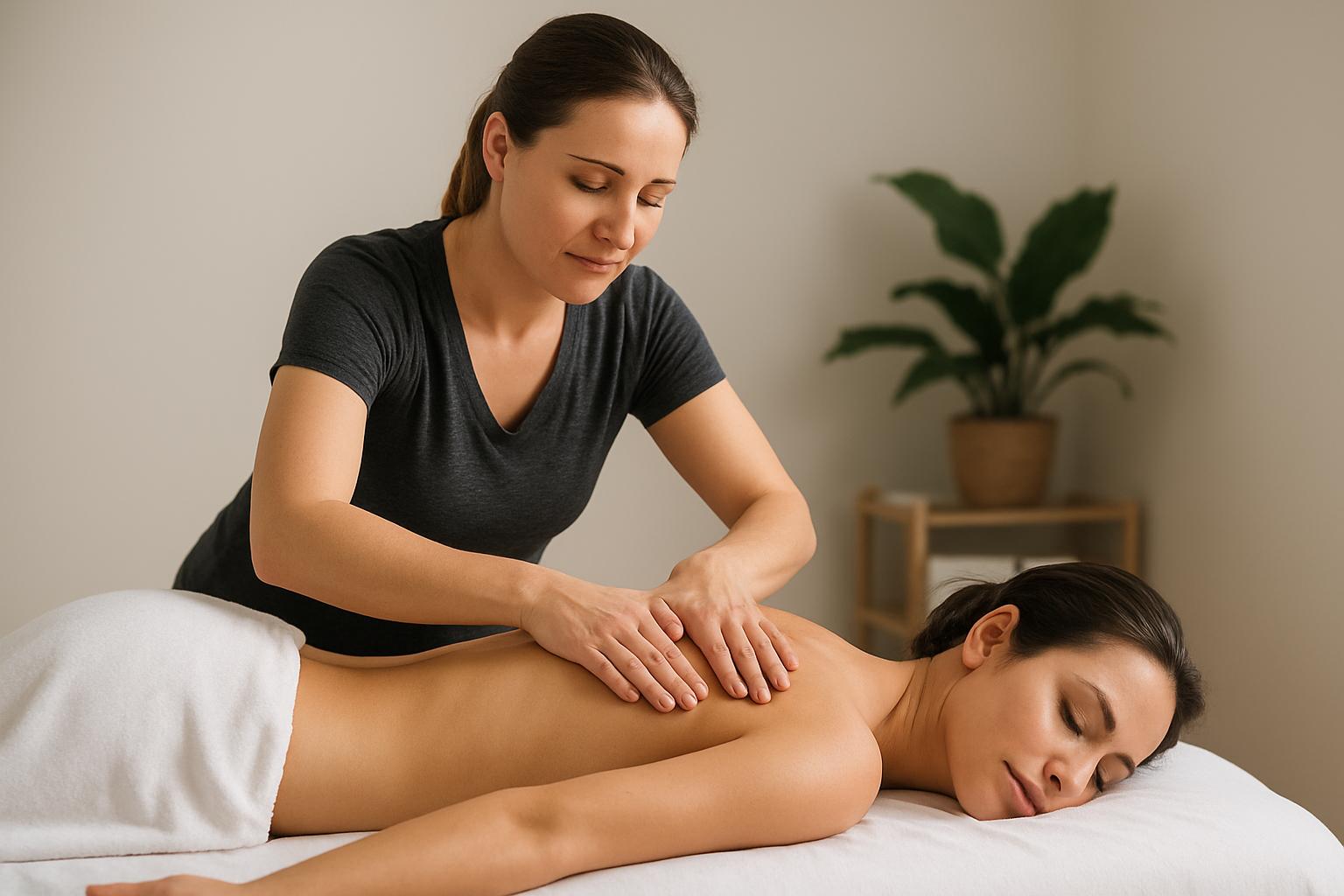
When massage focuses on the body as a system rather than a series of isolated spots, it addresses movement patterns, breathing, and neural tension in one session. Tightness in the hips, for example, often shows up as lower-back tension; a head-to-toe session can release compensations that a targeted treatment might miss.
Working sequentially—from the feet to the head, or vice versa—also establishes a calming rhythm. That flow lets the nervous system downshift, improving circulation and lymphatic return while giving the recipient time to relax into each phase of the treatment.
Benefits for body and mind
A full-body session produces a mix of short- and long-term gains: immediate relief from stiffness, reduced muscle soreness, and a noticeable drop in stress markers like heart rate and cortisol. Over time, regular sessions can improve sleep quality, increase joint mobility, and help manage chronic pain conditions.
Beyond the physical, the ritual of a complete session encourages mental presence. Many people report that the simple act of lying still for an extended period, with supportive touch and a controlled environment, reduces rumination and improves mood.
- Improved range of motion and flexibility
- Faster recovery after workouts or travel
- Reduced stress, anxiety, and insomnia
- Enhanced circulation and reduced inflammation
Preparing for a head-to-toe session
Comfort starts before the first touch. Wear loose clothing to the appointment and arrive a few minutes early to fill out intake forms and mention any soreness or medical history. Hydration matters: well-hydrated muscles respond better to pressure and flush metabolic waste more effectively after the session.
Set clear intentions. Tell your therapist whether you want deeper pressure, relaxation, or work focused on a specific area. If you’re doing this at home with a partner, agree on boundaries, pressure cues, and a comfortable location where you won’t be interrupted.
Techniques: strokes, pressure, and flow
A balanced full-body session combines long, flowing strokes to warm tissue with targeted techniques to release knots. Classic effleurage—long gliding movements—prepares muscles and promotes circulation. Once warmed, techniques like petrissage (kneading) and friction can address deeper adhesions.
Timing and rhythm are crucial. Start with lighter pressure to assess sensitivity, then progress as comfort allows. When working close to the spine or joints, therapists use shorter, controlled motions to avoid overstimulating nerves and to protect fragile structures.
| Technique | Purpose | Typical pressure |
|---|---|---|
| Effleurage | Warm tissue, promote circulation | Light to moderate |
| Petrissage | Knead muscle, reduce adhesions | Moderate to firm |
| Friction | Break up tight fibers, localize work | Firm, focal |
Sequence and timing: an effective flow
A reliable sequence starts with the larger, deeper muscles and moves to smaller, more delicate areas. For many practitioners that means beginning with the legs and back, then addressing the shoulders, arms, neck, and finally the scalp and face. This order allows the body’s larger circulation systems to be activated before finer, more sensitive work.
Session length matters, too. A 60-minute session often focuses on the back and one or two problem areas, while a 90-minute or two-hour session allows for a true head-to-toe progression without rushing. If you have limited time, prioritize the areas that affect daily function—hips, lower back, and shoulders—so the treatment has immediate impact.
DIY at home: what you can do safely
Simple techniques can be effective when you don’t have access to a professional. Use foam rollers for larger muscle groups, tennis balls against a wall for targeted pressure points, and slow, steady strokes with a small amount of oil for self-massage. These tools help maintain tissue quality between longer sessions with a therapist.
When I first trained for a marathon, travel and training schedules made weekly professional sessions impossible. I learned a home routine: 10–15 minutes of rolling the calves and glutes, 5 minutes of neck mobilization, and a short self-massage to the forearms. It didn’t replace a therapist, but it kept tightness from compounding and made race day manageable.
Professional sessions: what to expect and how to choose a therapist
Licensed massage therapists vary in training, specialties, and approach. Look for someone with credentials from an accredited program and good reviews that mention professionalism, clear communication, and results. A brief consultation at the start of the appointment should include discussion of medical history, current medications, and your goals for the session.
Good therapists tailor pressure and technique to the individual, checking in frequently. If deep work is needed, they’ll warm the tissue first, apply targeted releases, and finish with lighter strokes to soothe the area. Respectful, verbal consent and clear signaling—like tapping when a pressure is too much—are part of a professional setting.
Safety, contraindications, and red flags
Not everyone should receive a full-intensity session. People with certain conditions—uncontrolled high blood pressure, deep vein thrombosis, recent fractures, or acute infections—should avoid deep massage until cleared by a healthcare provider. Pregnancy requires specialized techniques and positioning, and post-surgical patients need explicit physician approval.
Pay attention to red flags during a session. Sharp, shooting pain, numbness, or pins-and-needles sensations are signals to stop and reassess. Also be wary of therapists who ignore your feedback about pressure or who make promises that sound medically implausible.
Oils, lotions, and scents: choosing what’s right
Carrier oils like jojoba, sweet almond, and fractionated coconut are popular because they glide smoothly and are gentle on most skin types. Unscented formulas are safest for sensitive skin and public settings. If you or your therapist plan to use essential oils, introduce them sparingly and perform a patch test for allergic reactions.
Texture and absorption rate matter. Heavier oils provide longer-lasting glide but can feel greasy, while lighter lotions absorb quickly and may require more product. For deep-tissue work, a bit more lubrication reduces friction and makes sustained pressure more comfortable for both client and therapist.
Aftercare to extend the benefits
Hydration is the first step—water helps clear metabolic byproducts released during tissue work. Gentle movement, like walking or light yoga, prevents stiffness the following day and helps integrate the changes in muscular length and tension. Avoid intense workouts for 24 hours if the session included deep releases.
Keep a short journal about how you feel after sessions: changes in sleep, soreness, mobility, or mood. Over weeks that record helps both you and your therapist refine pressure, frequency, and focus areas so each appointment becomes more effective.
Etiquette and consent
Clear communication sets the tone. Before a session begins, agree on what parts of the body will be worked, how you’ll signal for changes in pressure, and expectations about draping and privacy. Professional settings follow strict hygiene protocols and maintain a respectful atmosphere at all times.
If you’re receiving care from a friend or partner, establish boundaries beforehand. A short check-in about comfort, duration, and whether music or silence is preferred avoids awkwardness and keeps the focus on restoration.
When practiced thoughtfully, a head-to-toe body treatment becomes a tool for maintenance, recovery, and quieting a busy mind. Small choices—how you prepare, whether you book a longer session, or whether you add a weekly self-care routine—compound into meaningful improvements. Try different lengths and techniques, note what your body prefers, and treat touch as an investment in your everyday resilience.