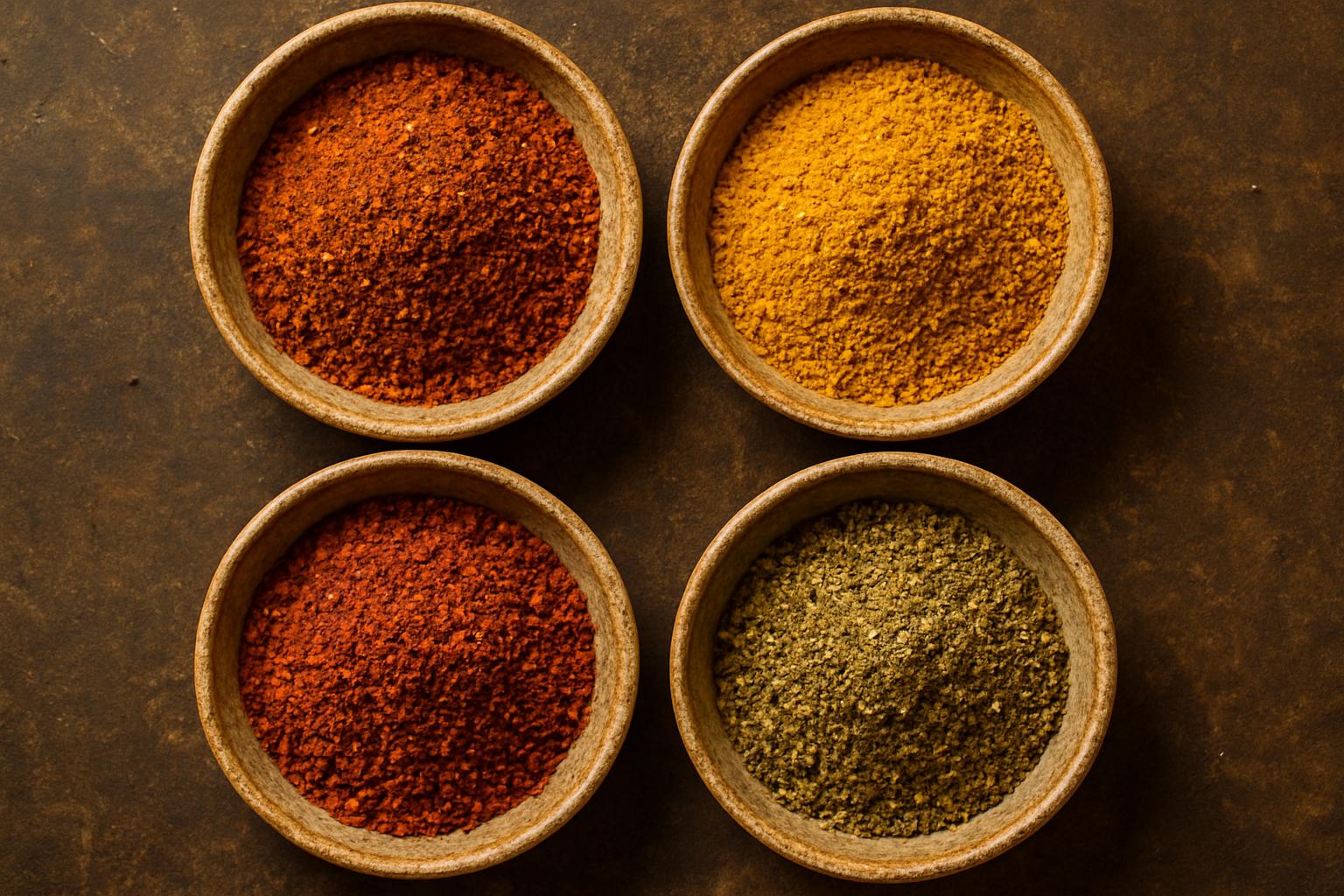

There’s a simple thrill in rubbing a handful of spices over meat or vegetables and watching familiar ingredients become something unexpected. This article explores how to build and use spice blends that feel worldly without being fussy, offering techniques, recipes, and real-world tips you can use tonight. You don’t need a pantry full of rare jars—just curiosity and a few reliable methods.
What makes a rub exotic?
A rub becomes “exotic” when its ingredients or flavor combinations step outside your routine—think floral notes, unusual seeds, or spice pairings that hint at other culinary traditions. It’s not about being complicated; often a single uncommon spice lifts a basic mixture into a new direction. The result should feel like a discovery rather than a puzzle.
Exoticness can come from origin, too: spices grown in different climates carry unique aromatics, and local blends evolve around those scents. Sometimes the difference is regional technique—dry toasting, fermenting, or adding a citrus salt at the end alters the chemistry and the perception of flavor. Pay attention to texture as well; coarse and fine grinds behave differently on heat and under a sear.
Because novelty can be bold, balance matters: assertive chilies or bitter fenugreek work best when tempered by fat, acid, or sugar. That balancing act makes a blend versatile across proteins and vegetables. Think of the rub as a promise of taste rather than a command—a hint that invites the rest of the dish to play along.
Core ingredients and global influences
Start with familiar bases—salt, black pepper, garlic, and paprika—and then introduce one or two elements from another cuisine to give the mixture personality. Spices like coriander, cumin, and smoked paprika offer a warm backbone, while star anise or sumac gives a more distinctive signature. Herbs and citrus zests can brighten heavy dishes.
Below is a compact reference table that links a few spices to the regions where they frequently appear and the flavor they typically add. Use it to mix and match rather than to memorize rules.
| Spice | Flavor note | Typical region |
|---|---|---|
| Coriander seed | Warm, citrusy | South Asia, Mediterranean |
| Sumac | Tart, lemony | Middle East |
| Grains of paradise | Peppery, floral | West Africa |
| Urfa biber | Smoky, raisin-like | Turkey |
Use the table as a map, not a recipe. Combining a Middle Eastern tart element like sumac with a smoky chili yields different results than pairing that same sumac with bright citrus; context matters. You’ll find new favorites by experimenting in small batches.
Techniques: how to build, toast, grind, and balance
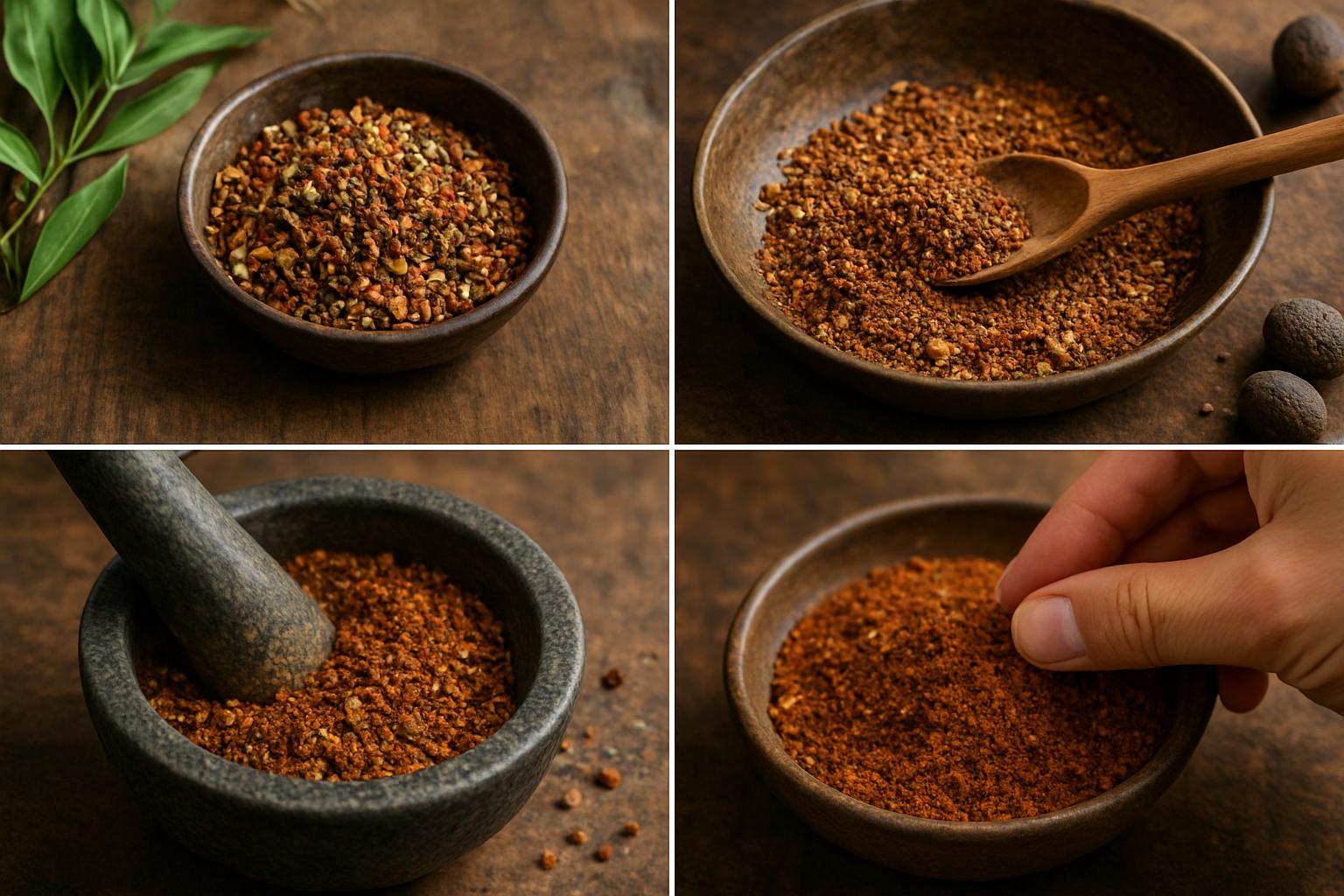
Toasting whole spices awakens essential oils and deepens flavor, so if you can, start with whole seeds and toast them briefly in a dry pan until fragrant. Move quickly—seeds can go from aromatic to burnt in seconds. After toasting, cool the spices before grinding to preserve volatile compounds.
Grinding tools affect texture and aroma: a mortar and pestle produces a rustic, slightly oily paste, while a spice grinder yields a fine powder that clings uniformly to food. Choose the grind to match the cooking method—a coarse grind gives a crunchy crust for grilled meats, while finer powders integrate better into rubs meant for slow roasting.
Balance is both taste and function. Salt is essential for seasoning and acts as a binder, but too much will overpower subtler spices. Acidic powders—citric acid or dried lime—cut through fat, and a touch of sugar or malt balances bitter notes and aids caramelization. Start by halving the salt you think you need and adjust after testing.
Applying rubs: proteins, vegetables, and beyond
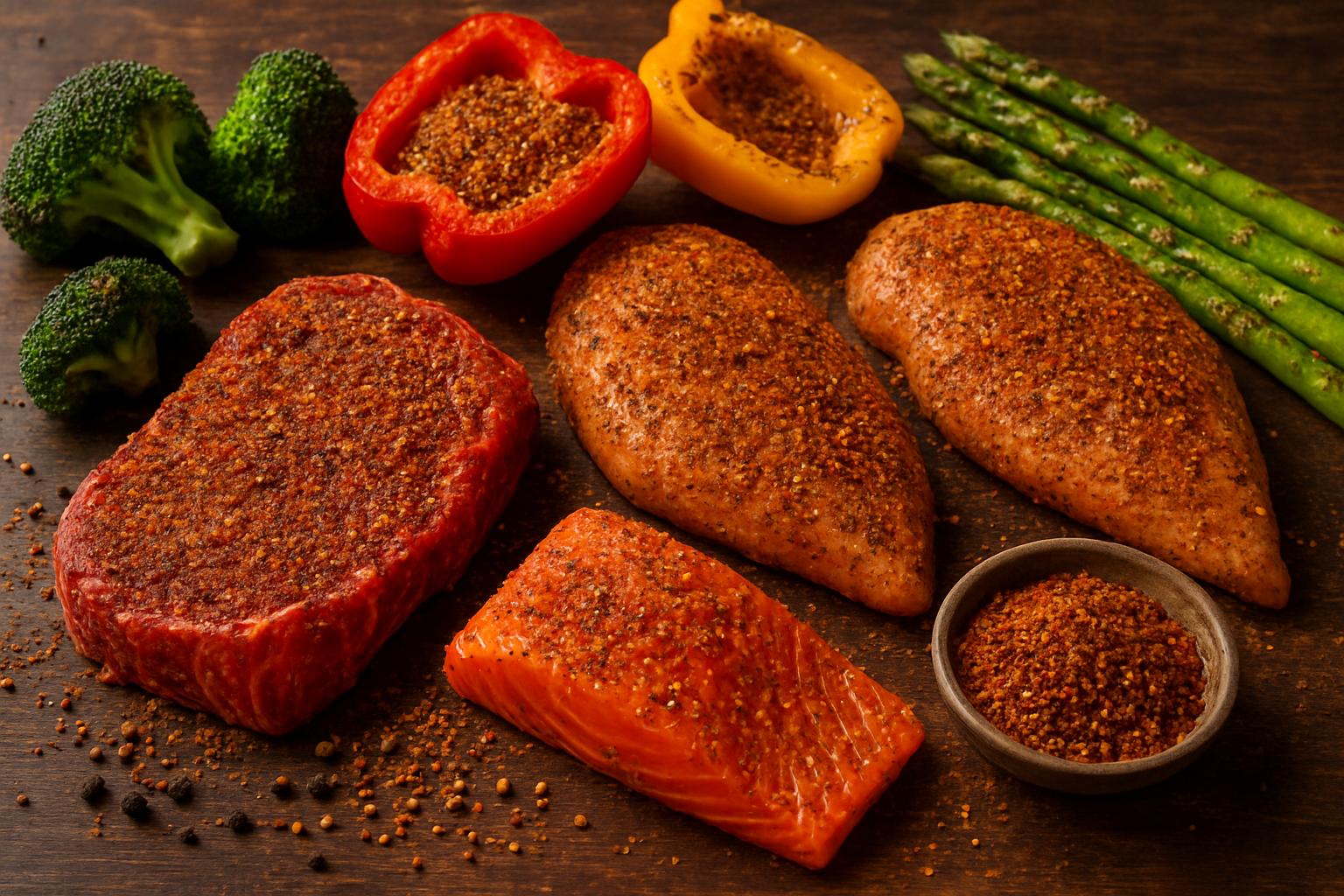
Different ingredients absorb spice differently. Fatty proteins like pork shoulder and salmon benefit from bold blends with smoky and sweet elements because the fat carries those flavors. Lean proteins such as chicken breast or firm fish respond better to lighter rubs with acid and herbaceous notes to avoid masking the meat’s natural flavor.
Vegetables handle intensity well—root vegetables roast beautifully with warm spices like cumin and cinnamon, while quick-cooking vegetables prefer bright, aromatic rubs that won’t singe. For tofu and tempeh, massage rubs into a thin coating and let them rest so the flavors can penetrate slightly before cooking.
Beyond the obvious, try rubs on unconventional items: butter for corn, olive oil and rub on flatbreads before grilling, or even on popcorn for a savory snack. A small amount of a potent blend can transform a simple component into a memorable element of the meal.
Recipes to try: three small blends
Here are three accessible blends that illustrate how different seeds, herbs, and salts create distinct profiles. Each recipe yields roughly 1/2 cup, enough for several meals. Measure by eye after a couple of trials once you know your palate.
- North African warm spice blend: 2 tbsp ground cumin, 1 tbsp coriander, 1 tbsp ground cinnamon, 1 tsp paprika, 1 tsp salt, 1/2 tsp black pepper.
- Middle Eastern citrus pepper: 2 tbsp ground sumac, 1 tbsp coarse sea salt, 1 tsp cracked black pepper, 1 tsp dried mint, 1/2 tsp garlic powder.
- Smoky island jerk (milder): 1 tbsp smoked paprika, 1 tbsp dried thyme, 1 tsp ground allspice, 1 tsp brown sugar, 1 tsp salt, pinch of cayenne.
Use the North African blend on roasted carrots or lamb, the citrus pepper for grilled fish and salads, and the smoky blend on chicken or portobello mushrooms. Adjust salt to your cooking method—a wet marinade or brine requires less added salt in the rub.
When testing, reserve a small portion of meat or vegetable and apply each blend separately to compare results. That side-by-side tasting is faster and more educational than guessing how a blend will behave under heat.
Tips from my kitchen
I keep small jars labeled with date and origin—if I find a new spice at a market, it goes into a single-portion jar first so I can experiment without wasting it. That habit let me learn how grains of paradise behave under high heat before I committed to using them on an entire roast for guests.
Once, I paired smoked paprika with dried lime on a weeknight salmon, and the contrast between smoky and citric notes surprised everyone at the table. Small experiments like that taught me to trust unlikely combinations and to always taste at multiple stages: raw, just after cooking, and a few minutes later after resting.
Pairing and finishing touches
Finishing is where a rub’s character truly reveals itself. A sprinkle of flaky sea salt after grilling sharpens flavors, while a squeeze of fresh citrus can brighten a dense, earthy blend. Think of the rub as the groundwork and the finish as the punctuation.
Herb oils, yogurt sauces, or quick pickles are excellent partners for strong spice blends, offering cooling or acidic relief. For instance, a spicy rub on lamb pairs beautifully with a minty yogurt sauce, which softens heat and adds a contrasting texture.
Storage, shelf life, and scaling up
Store blends in airtight containers away from heat and light. Ground spices lose vitality over months, so label jars with the date and plan to use fresh mixes within six months for best aromatics. Whole spices last longer and are worth buying in bulk if you use them often.
Scale up gradually: if a small test batch works, multiply the recipe for a larger jar, but don’t make huge quantities of a blend you’ve only tasted once. When you do scale, weigh ingredients if precision matters—spice-heat and salt levels are easier to control by weight than by volume.
Where to source unusual spices
Specialty spice shops and reputable online purveyors are the best places to find lesser-known ingredients because they often provide origin and harvest information. Farmers markets and immigrant-run grocers can also be treasure troves for region-specific items at good prices. Smell and, when possible, taste a small sample before buying large quantities.
When buying online, look for detailed descriptions and recent roasting dates. Avoid blends labeled vaguely—single-origin or single-spice sellers typically offer fresher, more transparent products. If a spice smells flat or dusty, skip it; freshness makes all the difference.
Experimenting responsibly
Respecting cultural origins matters when borrowing flavor profiles. Learn a bit about how a blend is traditionally used before adapting it, and consider naming your own version rather than implying authenticity. That approach shows curiosity without oversimplifying history and technique.
Finally, have fun. The best spice blends were born from experimentation and joyful improvisation. Keep notes, taste often, and don’t be afraid to throw out a jar that didn’t work—every failure teaches you what not to repeat. With a few simple methods and a willingness to explore, your cooking will gain depth, nuance, and a few delightful surprises along the way.