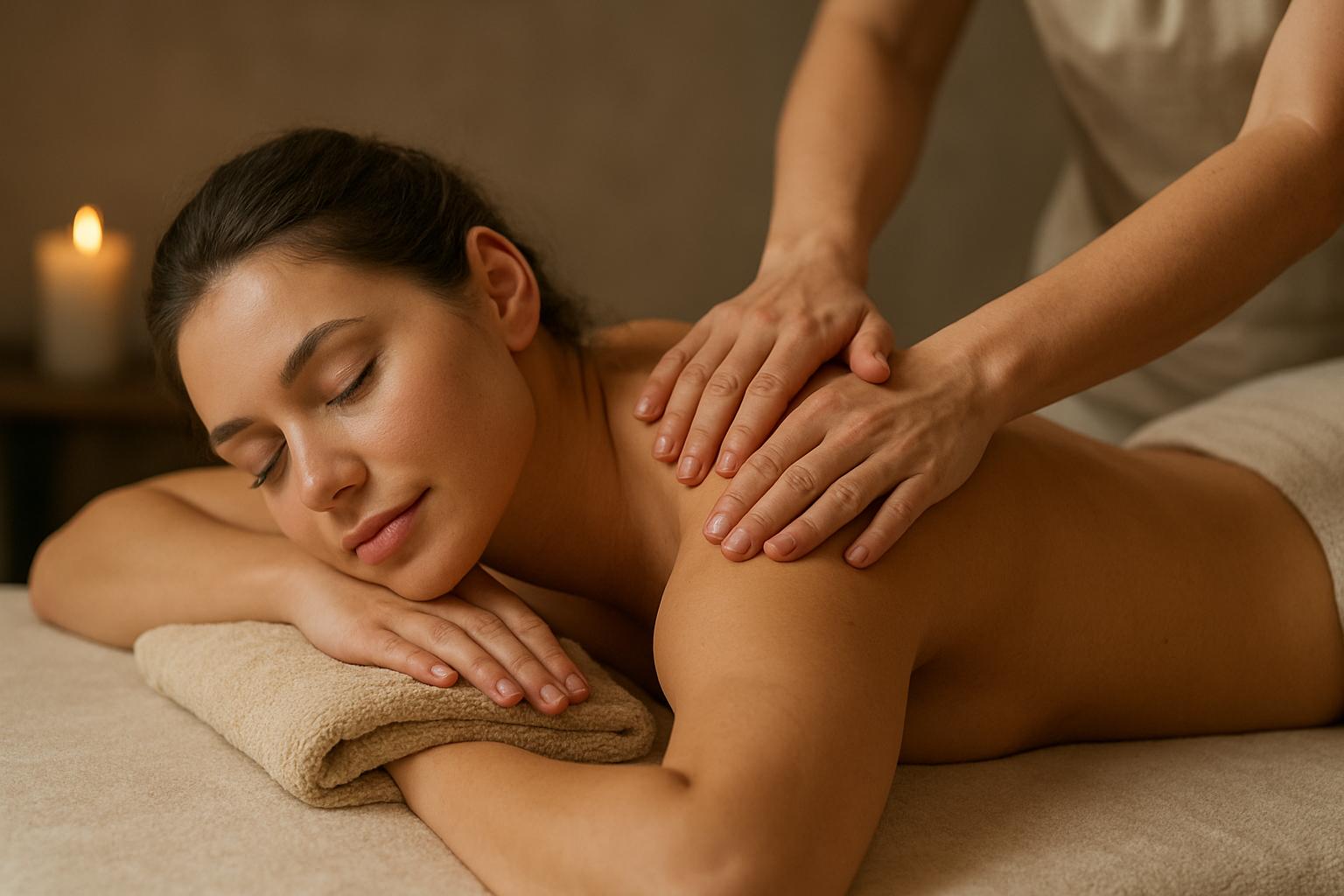

Touch has a way of reaching us where words cannot, and a well-delivered massage can be surprisingly transformational. Whether you’re chasing relief from knots, easing stress, or simply carving out time for yourself, a thoughtful approach to bodywork makes a difference. This article explores how massage can support women’s health, what to expect from different styles, and how to make sessions safe, effective, and truly restorative.
Why touch matters for women’s well-being
Physical touch influences hormones, nervous system balance, and mood. For many women, regular bodywork lowers cortisol, boosts oxytocin, and eases muscle tension that accumulates from caregiving, desk work, or high-intensity training.
Beyond the biochemical effects, massage can help reclaim ownership of the body after illness, childbirth, or long periods of stress. The experience of being attended to—slowly and respectfully—often opens mental space for rest and clearer thinking.
Common types of massage and what they offer
Not every style fits every need. Some approaches melt general tension, while others target scar tissue, mobility, or circulating lymphatic fluid. Understanding differences helps you pick a session that aligns with your goals.
Below is a compact guide to common modalities and when they’re most useful.
| Modality | Primary benefit | Good for |
|---|---|---|
| Swedish | Relaxation and circulation | Stress, beginners, overall soreness |
| Deep tissue | Releases chronic muscle tension | Persistent knots, athletic recovery |
| Prenatal | Support for pregnancy-related discomfort | Expectant mothers, pelvic/back pain |
| Myofascial/Trigger point | Targets fascial restrictions and referred pain | Neck pain, headaches, mobility limits |
| Lymphatic drainage | Reduces swelling, supports immune function | Post-surgical recovery, edema |
Preparing for a session: what to expect
A good session begins before hands meet skin: intake forms and a brief conversation help the therapist learn your history and goals. Be candid about recent surgeries, medications, pregnancy, or tissue sensitivity so the therapist can adapt pressure and technique.
Clothing and modesty choices vary by modality and comfort. Therapists trained in professional standards will show draping techniques that preserve dignity while allowing access to the area being treated.
Communication during the massage
Your voice is a tool during a session; feedback about pressure, temperature, and comfort produces better results. Therapists expect adjustments and prefer clients to speak up early rather than tolerate pain.
Describe sensations specifically: “the pressure feels too intense at my left shoulder” is more helpful than “it hurts.” Clear statements allow technique changes that preserve therapeutic value without causing harm.
Special considerations: pregnancy, chronic pain, and trauma
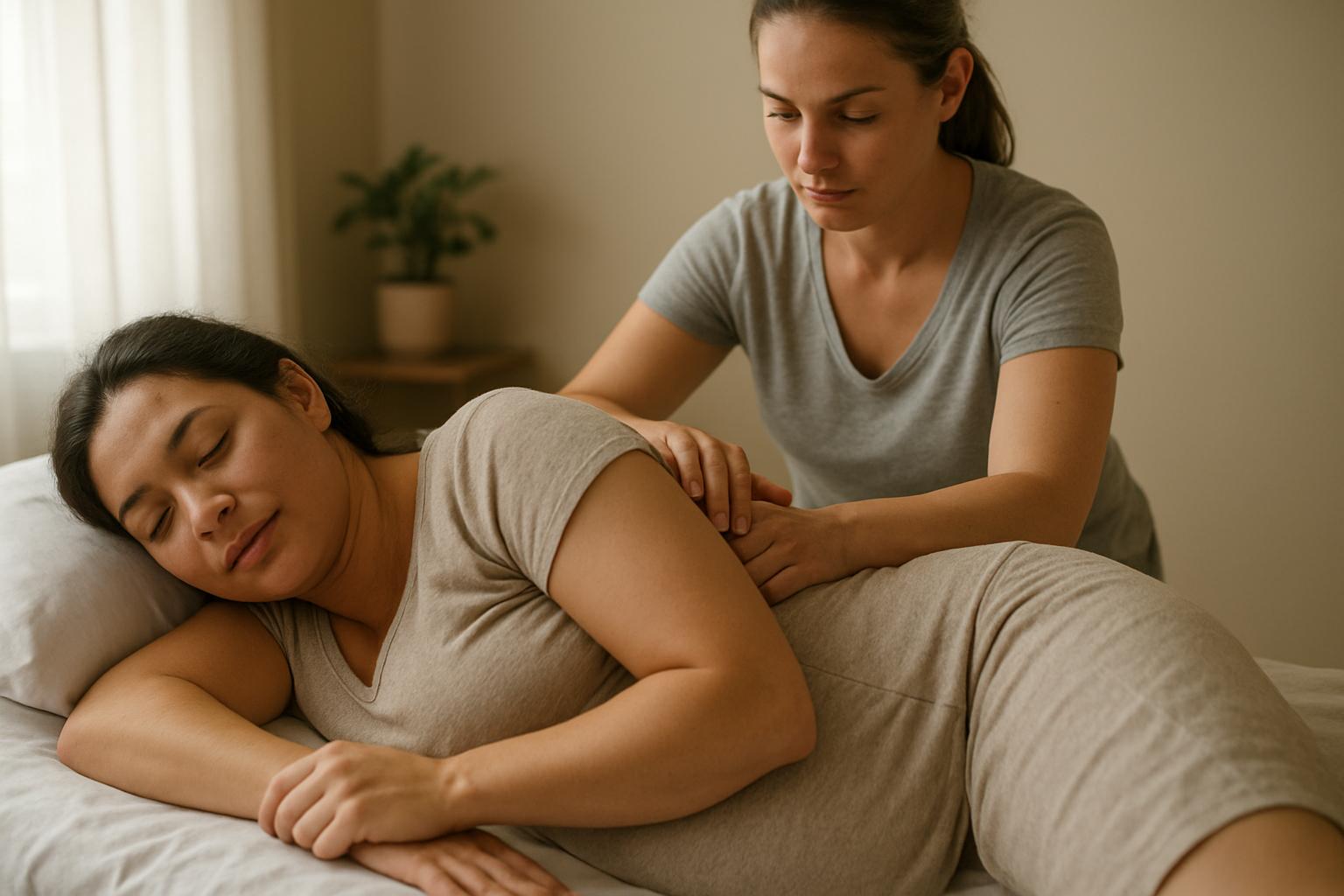
Pregnancy massage requires specialized training to position the body safely and avoid techniques that could cause strain or circulatory issues. A licensed prenatal specialist will use cushions and gentle, pregnancy-appropriate strokes.
For chronic pain or complex health conditions, collaborative care matters. Therapists who communicate with your physician, physical therapist, or midwife can help align goals and prevent contraindications.
People with a history of trauma may find touch triggering. Therapists trained in trauma-informed care offer slower transitions, consent-driven touch, and options for partial undraping or keeping clothes on. You have control over the pace and scope of the session at all times.
Self-massage techniques and tools for daily relief
Between professional appointments, simple self-care can prevent tension from reestablishing itself. Brief routines targeting neck, forearms, and hips are practical and can be done at a desk or in the morning.
Tools like foam rollers, a tennis ball, or a handheld percussion device expand what you can accomplish at home. Use a tennis ball against a wall for shoulder blades, or a foam roller for the calves and thoracic spine to improve mobility and circulation.
From my own experience, a five-minute self-massage routine after a long workday keeps headaches at bay. Rolling the base of the skull gently with my fingertips and following with shoulder squeezes has been a reliable reset.
Choosing a therapist and ensuring safety
Licensure and continuing education are important indicators of competence. Look for a practitioner with state licensure, additional certifications for prenatal or orthopedic work if needed, and a clear, professional intake process.
Trust your instincts when assessing boundaries and professionalism. A therapist who explains techniques, asks permission before changing an approach, and preserves privacy is more likely to provide a safe, effective experience.
- Ask about licensure and specialties.
- Inquire how they handle privacy and draping.
- Request references or read recent client reviews.
Questions to ask before your first visit
Keep questions focused and practical: “Do you have experience with postpartum pelvic pain?” or “What is your policy on pain and pressure adjustments?” These yield better answers than vague queries about quality.
Also clarify logistics such as cancellation policies, session length, and whether the therapist performs evaluations for movement or posture when necessary.
Integrating massage into a wellness routine
Think of massage as a maintenance strategy rather than a one-off fix. Frequency depends on your needs—athletes may benefit from weekly work, while someone managing stress might aim for monthly sessions to sustain relaxation and mobility.
Combine bodywork with other practices like gentle strength training, mobility exercises, sleep hygiene, and hydration for longer-lasting results. Massage complements these habits by reducing pain and facilitating more effective movement patterns.
Cost, frequency, and insurance considerations
Costs vary widely by region, therapist experience, and modality. Some insurance plans cover medically necessary massage prescribed by a physician, while wellness sessions typically fall outside standard coverage.
If budget is a concern, consider shorter sessions or periodic treatments combined with self-care tools to stretch the benefit between appointments.
When to seek medical advice
If pain is new, severe, accompanied by fever, unexplained swelling, or neurological symptoms such as numbness or weakness, consult a medical professional before scheduling a massage. These signs may indicate conditions that require diagnostic testing or urgent care.
Similarly, post-operative clients should obtain clearance from their surgeon or primary care provider, and communicate any relevant healing timelines to their therapist.
Practical tips for a more effective session
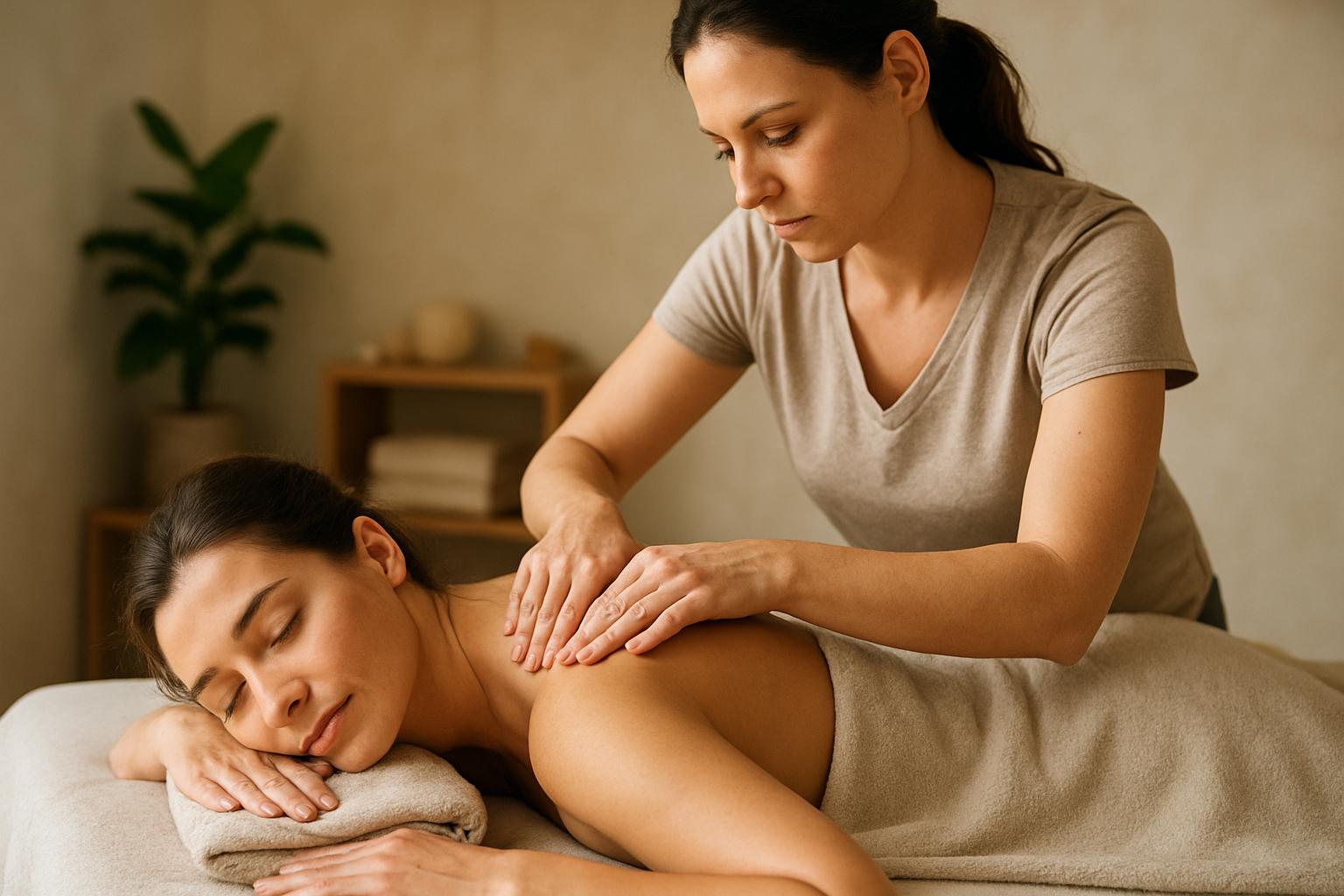
Arrive hydrated and avoid heavy meals right before your appointment; being well-hydrated helps tissues respond to pressure and supports circulation afterward. Wear comfortable clothing to and from the appointment to preserve the relaxed state created by treatment.
Aftercare matters: plan a calm hour post-session if possible, with water and light stretching. Immediate follow-ups such as a warm bath or a short walk can extend the benefits, while heavy exercise might blunt them.
Massage can be a quiet revolution in daily life—small, consistent sessions and smart aftercare make it more than indulgence. Whether you book a monthly therapeutic appointment, learn to work a foam roller at home, or find a trauma-informed practitioner who respects your boundaries, touch can help women move through life with less pain and more ease.