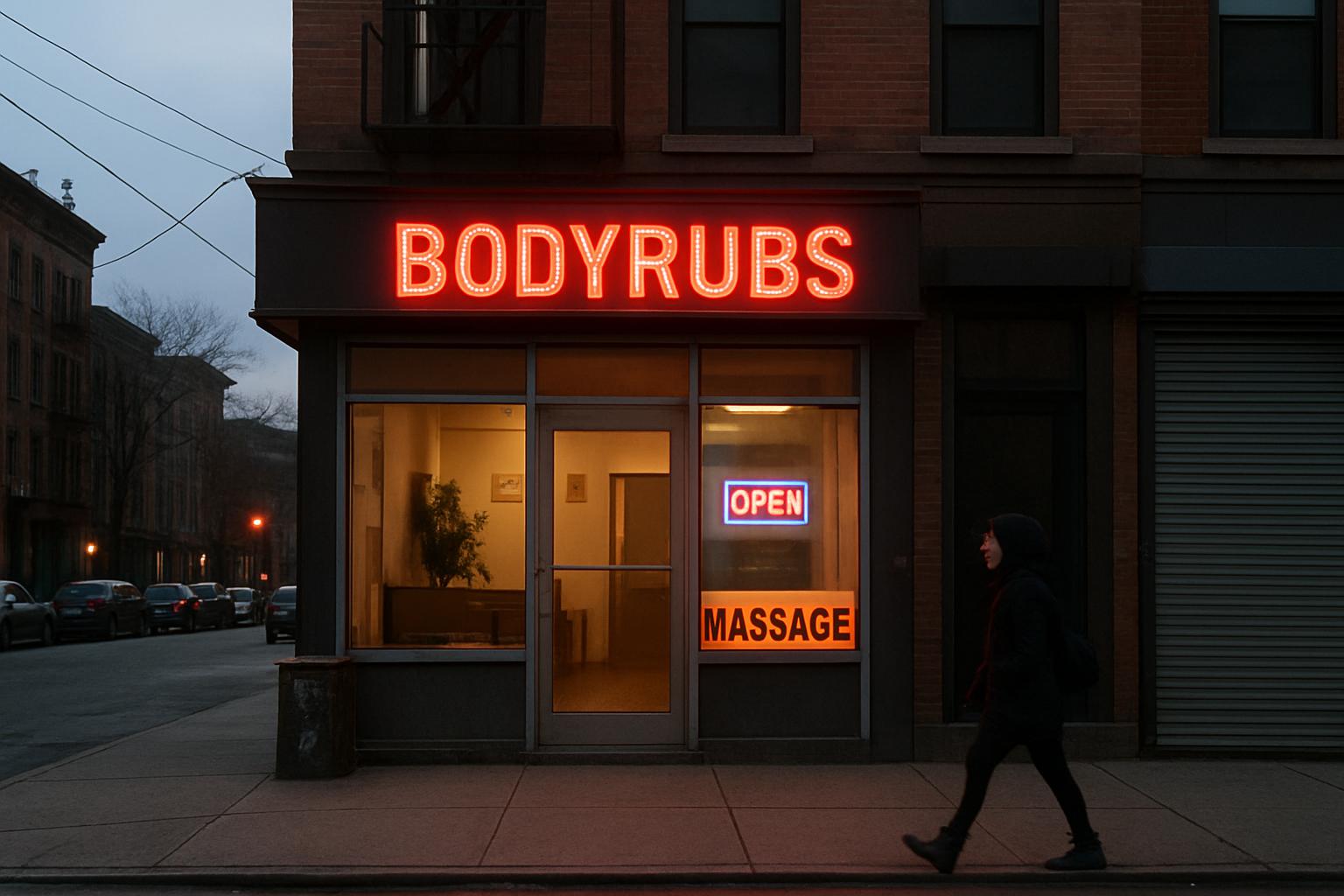

Brooklyn is a mosaic of neighborhoods, each with its own personality, and within that patchwork you’ll find a wide range of hands-on bodywork options. Whether you are after a clinical sports massage, a restorative session to unwind, or something more creative and specialized, knowing how to choose a reputable provider will make the experience comfortable and effective.
What people mean by bodywork and why clarity matters
The phrase people use casually—bodywork, massage, or bodyrubs—can cover everything from licensed therapeutic massage to spa treatments and alternative therapies. Without clarity, two clients can ask for the same thing and leave with very different results, so it helps to know the categories and what outcomes you want.
When you call or book online, use precise language. Ask whether a session is intended for relaxation, rehabilitation, increased mobility, or energy work. That single question steers the appointment toward professional standards and keeps expectations realistic.
Common modalities you’ll find in Brooklyn
Brooklyn studios often offer a mix of traditional and contemporary approaches. Swedish and deep-tissue massage are staples; you’ll also see sports therapy, myofascial release, Thai-style bodywork, and more niche services like lymphatic drainage or cupping.
Some practitioners are trained in multiple methods and tailor a session to your needs. If you have chronic pain, recent injuries, or specific athletic goals, look for therapists who list those specialties upfront and can describe their approach during a pre-session intake.
| Modality | Primary purpose | Typical pressure |
|---|---|---|
| Swedish | Relaxation and circulation | Light to medium |
| Deep tissue | Chronic muscle tension | Medium to firm |
| Sports therapy | Athletic performance and recovery | Variable, targeted |
| Myofascial release | Mobility and scar tissue | Gentle sustained pressure |
How to find a reputable studio or therapist

Start with practical filters: proximity, hours, and whether the studio lists credentials. Good businesses publish clear information about their practitioners’ training, certifications, and whether they carry professional liability insurance.
Online reviews are useful but noisy. Look for patterns in feedback rather than isolated praise or complaints. If multiple clients mention punctuality, cleanliness, or a therapist’s communication style, that consistency is meaningful.
When in doubt, call. A brief phone conversation reveals how the clinic handles questions about contraindications, privacy, and informed consent. Reputable providers will welcome questions and explain what to expect without pressure.
Checklist before booking
- Verify practitioner qualifications and years of experience.
- Confirm the studio’s cleaning protocols and draping policies.
- Ask about intake procedures for medical conditions or medications.
- Check cancellation and late-arrival policies.
What to expect during an appointment
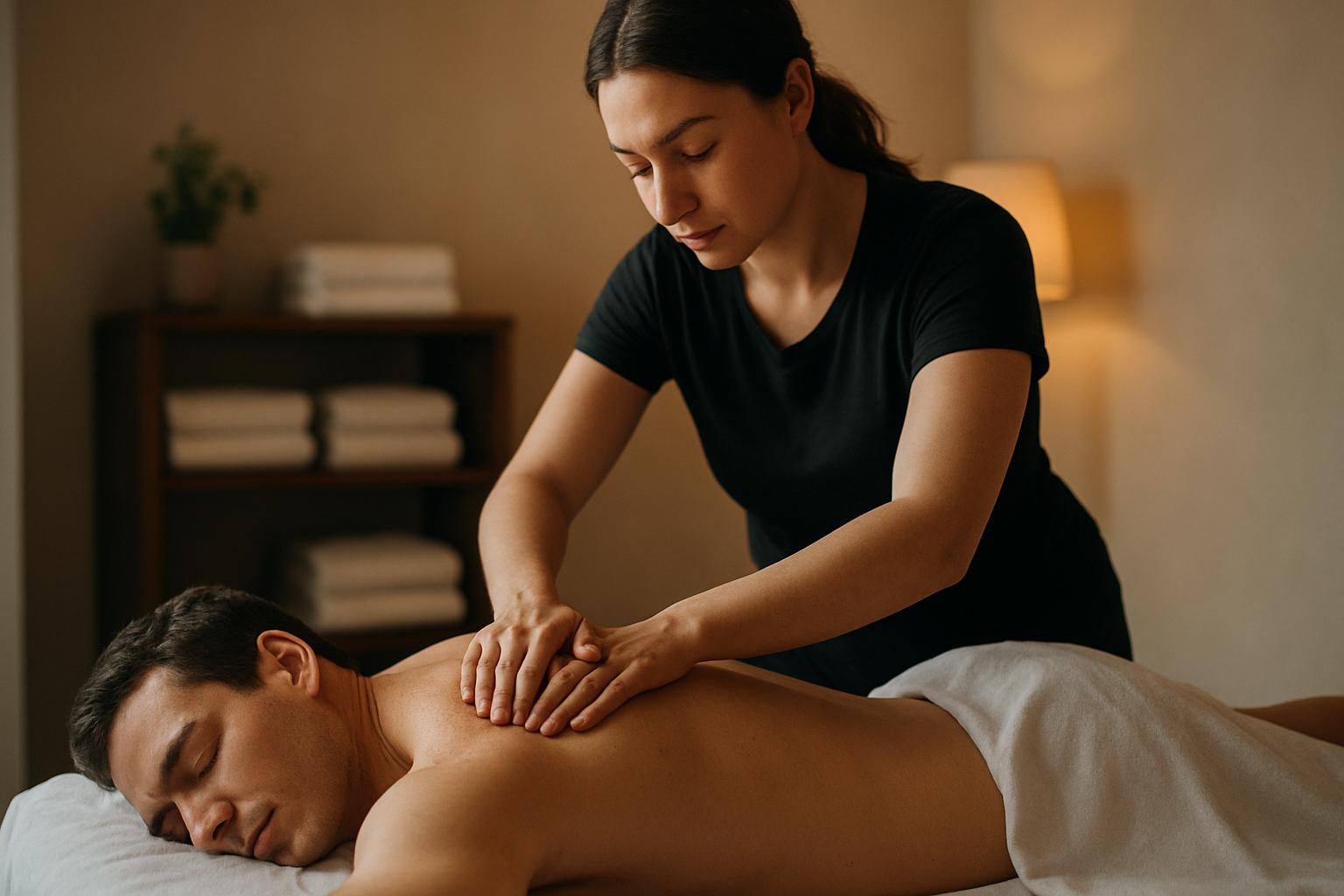
Most sessions begin with a short intake where the therapist asks about health history, current pain, and your goals for the visit. This is the moment to mention recent surgeries, pregnancies, blood thinners, or acute injuries—details that influence technique and pressure.
Draping is standard in professional settings: only the area being worked on is uncovered, and therapists maintain your privacy and dignity throughout. If any technique feels uncomfortable, speak up; a good therapist will adjust right away and may explain why a particular sensation is part of the process.
Typical session lengths are 30, 60, or 90 minutes. A 60-minute session usually allows a thorough focus on problem areas while still addressing the whole body. Plan to arrive five to ten minutes early to fill out intake forms and settle in without rushing.
Tipping, payment, and practicalities
Payment methods vary; many Brooklyn studios accept cards and contactless payment, while some small practitioners prefer cash. Always confirm accepted methods when you book to avoid awkwardness on arrival.
Tipping is customary in many places. A tip of 15–20% is common for good service, though you can adjust based on your experience and local norms. If a studio includes taxes or service charges, ask whether a tip is still appropriate and how to leave it discreetly.
Health benefits and when to be cautious
Massage and related bodywork can reduce muscle tension, improve circulation, and support stress reduction. For athletes, targeted therapy helps recovery and can reduce injury risk. People with chronic conditions often report improved range of motion and decreased pain.
However, bodywork is not a substitute for medical care. If you have an unexplained lump, severe inflammation, fever, contagious skin conditions, or recent fractures, postpone the session and consult a healthcare provider. Therapists will typically screen for these issues during intake and decline or modify treatments when necessary.
Etiquette, boundaries, and safety
Consent is fundamental. A professional therapist will explain the plan for your session and ask for permission, especially before direct work on sensitive areas or when altering pressure. You should always feel empowered to stop or redirect the session at any time.
Communication is key: say if the pressure is too strong, if you need a break, or if a particular area is painful in a sharp or unusual way. Therapists who encourage feedback and check in periodically tend to provide safer, more effective treatments.
Legal considerations and avoiding scams
In busy urban markets like Brooklyn, there’s a mixture of legitimate, licensed practitioners and less reputable operators. Be wary of listings that use vague terms, promise impossibly low prices for long sessions, or avoid answering questions about credentials and draping.
Report suspicious businesses to local consumer protection agencies and consult reliable directories when searching. If an offer seems too good to be true or a request makes you uncomfortable, trust your instincts and walk away.
Neighborhood tips: where to look and what to expect
Different Brooklyn neighborhoods have distinct vibes. You’ll find upscale medical-spa hybrids in areas with more retail foot traffic, community-oriented studios in residential neighborhoods, and affordable shared spaces where independent therapists rent treatment rooms.
Prices and atmospheres vary accordingly. Expect quieter, boutique experiences in parts of Brooklyn with higher rents, and more utilitarian or specialized clinics in working neighborhoods. Think about the kind of environment that helps you relax—some people prefer calm, minimalist rooms; others like a livelier, music-forward studio.
A short personal note from the author
I once spent an afternoon at a small Williamsburg studio after months of desk work left my shoulders tight and brittle. The therapist took time to review my posture habits, demonstrated a few stretches I could do at my desk, and adjusted pressure thoughtfully when I winced.
That visit changed how I thought about routine bodycare. It wasn’t a miracle cure, but it was practical: I left with clearer movement, a better understanding of my habits, and a few exercises I actually used. That kind of realistic outcome is what I look for now when I search for a place offering body work in the city.
Making the most of your sessions
Consistency often matters more than intensity. Regular, moderate sessions can prevent tension from building, while sporadic deep sessions may provide temporary relief but not long-term change. Pairing hands-on therapy with mobility work, sleep hygiene, and hydration amplifies benefits.
Take notes after sessions: what felt helpful, what triggered discomfort, and which stretches improved your symptoms. This record becomes a short roadmap for future therapists and makes each appointment more targeted and efficient.
Final considerations when choosing services
If you search for bodyrubs Brooklyn, keep in mind that the community ranges from clinical massage centers to boutique studios and freelance therapists working out of shared spaces. Prioritize safety, clear communication, and verifiable qualifications over flashy photos or low prices.
With a little research—reading consistent reviews, asking direct questions, and trusting your instincts—you can find a practitioner who respects your boundaries and helps you move more comfortably through your day. The right session can be a small investment that yields steady, practical returns in how you feel and function.