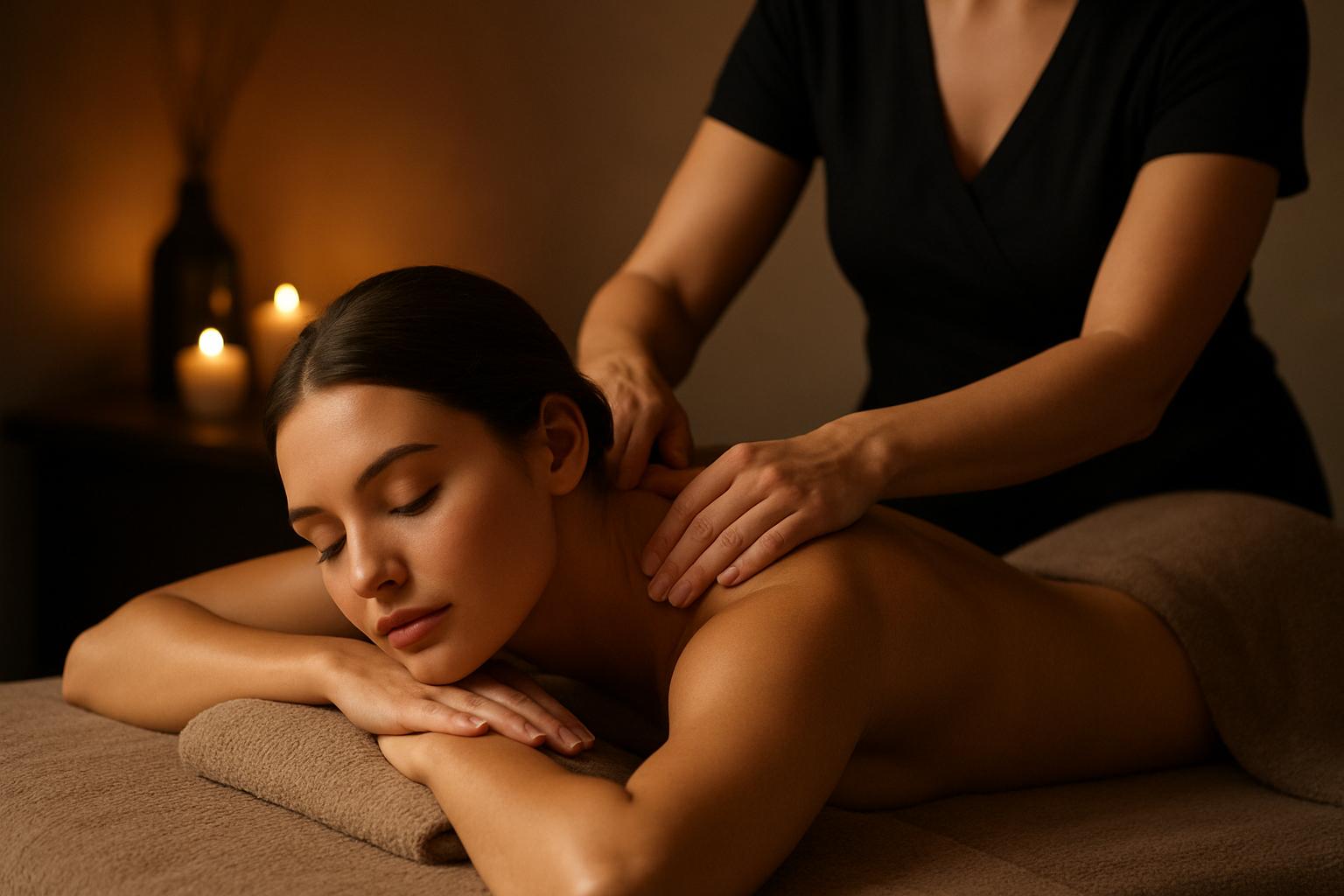

Walk into a luxury treatment room and you’ll notice subtleties the moment the door closes: soft light, a faint scent that isn’t overpowering, and a silence that feels intentional. Those details aren’t decoration so much as the opening notes of a carefully composed experience. This piece pulls back the curtain on what a top-tier body rub entails, how to find one, and why it can matter for both body and mind.
Defining high-end bodywork
Not every massage that charges a premium is what I mean by elite. True high-end bodywork combines clinical skill, refined technique, and an attention to client comfort that runs deeper than linens and candles. It’s a blend of therapeutic intent and hospitality: the practitioner reads tissue tension and emotional cues while the setting removes the friction of everyday life.
Technically, the difference shows up in training and scope of practice. Clinicians at the top of their field are often cross-trained—think orthopedic massage, myofascial release, and neuromuscular techniques—so they can tailor a session to the individual. That versatility makes the service more effective and less of a one-size-fits-all rubdown.
Elements that distinguish an elite session
Several concrete elements tend to appear in luxury treatments: longer intake conversations, bespoke treatment plans, premium products, and therapists who explain what they’re doing in plain language. The cumulative effect of those touches is a treatment that feels personalized rather than scripted.
Another sign is consistent quality control. High-end facilities invest in ongoing professional development, have robust hygiene and safety protocols, and maintain clear policies about boundaries and consent. When a session is reliable and respectful, it becomes restorative in a way that cheap, inconsistent offerings rarely are.
Popular modalities and what they do
Elite practitioners draw from a menu of evidence-based techniques and combine them according to need. Below is a concise comparison to help you recognize what might be used in a session aimed at relaxation, rehabilitation, or athletic preparation.
| Modality | Primary focus | Typical session length |
|---|---|---|
| Swedish/relaxation | Circulation and overall relaxation | 60–90 minutes |
| Deep tissue/myofascial | Chronic tension and movement patterns | 60–90 minutes |
| Sports/therapeutic | Performance prep and recovery | 45–75 minutes |
How to choose a reputable provider
Start with credentials: ask about licensing and specialized training. In many states, health boards regulate massage therapists, and credible clinics will list licenses and certifications openly.
Next, read reviews with a critical eye. Look for repeated mentions of professionalism, results, and consistent therapist availability. A one-off glowing or scathing review tells less than a pattern of satisfied clients or reliable outcomes.
Finally, trust your first interaction. A good practitioner will ask thoughtful questions about medical history and goals, explain contraindications, and outline what to expect during the session. If that intake feels rushed or evasive, walk away.
Questions to ask before booking
Having a short checklist can save you frustration. Ask about practitioner specialties, how they handle sensitive areas, cancellation policies, and whether the session includes a consultation. Those answers reveal both competence and how the business treats clients.
- Are you licensed and insured?
- What techniques do you specialize in?
- Do you require a health screening or physician clearance for certain conditions?
- How do you handle privacy and client boundaries?
Etiquette, consent, and boundaries
Clear communication is the backbone of any professional treatment. Before a session begins, practitioners should obtain informed consent for techniques and describe draping and touch so clients know what to expect. Those small explanations reduce anxiety and improve outcomes.
Respect for boundaries extends beyond the table. Ethical providers maintain professional distance, avoid suggestive language, and have policies about declining or referring clients if a situation becomes uncomfortable. That integrity is part of the premium you pay.
What a session typically looks like
A reliable format reduces surprises: an intake where goals and medical history are confirmed, a warm-up period to loosen tissue, focused work on problem areas, and a calm period for integration. Many top practitioners end with practical takeaways like stretches or self-care tips.
Time is a factor. Shorter sessions can be useful tune-ups, but deeper change often requires 60 to 90 minutes, especially if the work involves fascial release or rehabilitative approaches. Packages that include multiple sessions are common when the aim is lasting improvement rather than temporary relief.
Real-world example from my experience
I once saw a therapist after months of desk-induced neck pain. The first session included a 20-minute intake, gentle but strategic work, and clear homework: a simple chin-tuck exercise and a user-friendly heat routine. Within three visits the tension pattern changed dramatically, not because of a single miraculous treatment but because each session built on the last.
That progression illustrates a key point: elite bodywork is rarely about immediate bliss alone. It’s a series of small, directed interventions that add up to measurable improvement.
Health benefits and precautions
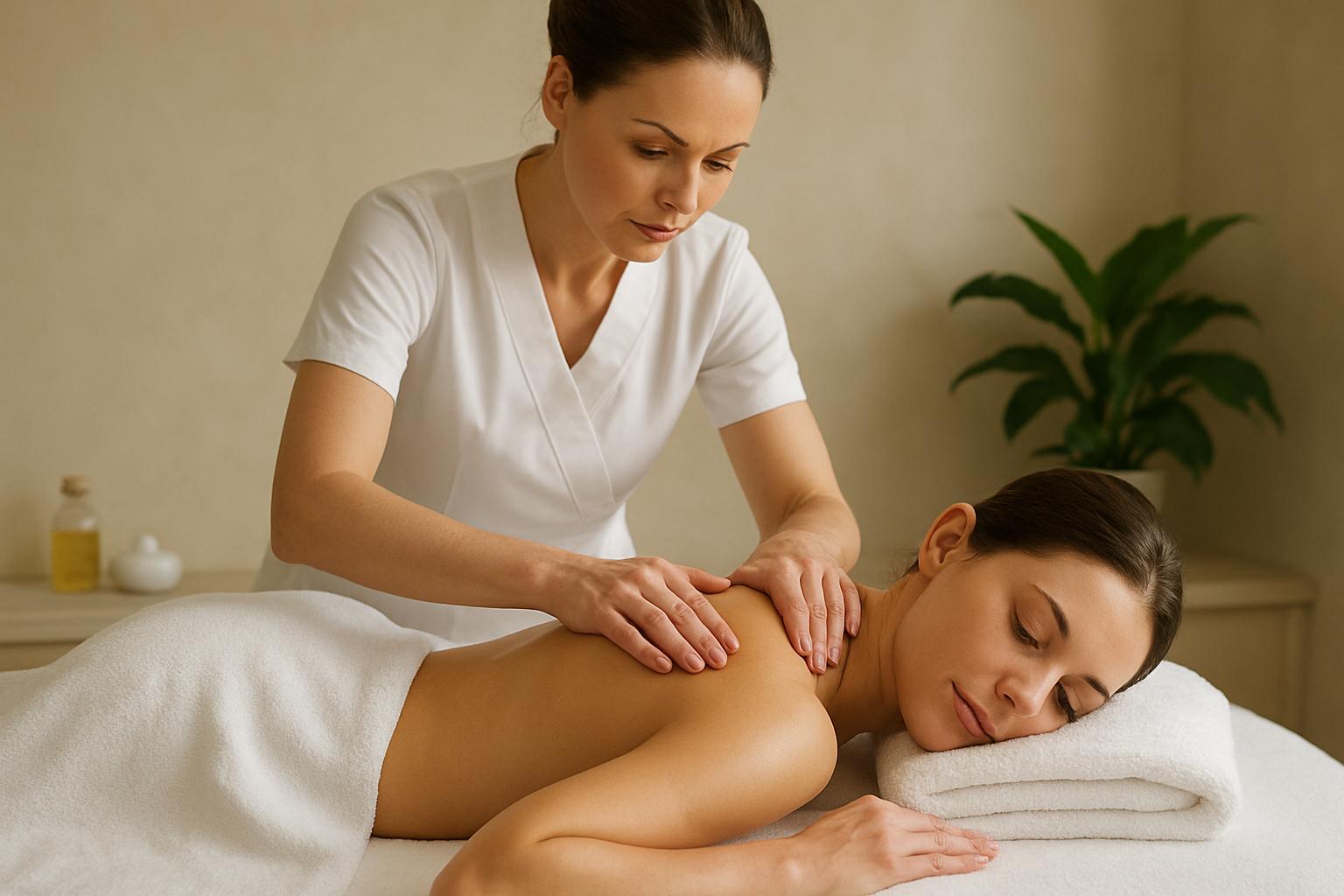
High-quality bodywork has well-documented benefits: reduced muscle tension, improved circulation, better sleep, and decreased stress levels. Athletes report faster recovery and improved range of motion, while chronic-pain sufferers often find their symptoms more manageable with regular care.
However, it’s not universally appropriate. Acute infections, skin lesions, certain cardiovascular conditions, and uncontrolled deep vein thrombosis are examples where massage may be contraindicated. Always tell your practitioner about medications and medical history, and consult your healthcare provider if you have serious concerns.
Pricing, packages, and tipping
Expect to pay more for an environment that prioritizes privacy, extended session times, and highly trained staff. Hourly rates vary widely by region and practitioner experience, and many luxury clinics offer tiered pricing for different therapist levels.
Packages can be cost-effective if you’re committing to multiple sessions, and gratuity is typically appreciated—15 to 20 percent is common in the U.S. A transparent pricing page and clear cancellation rules are hallmarks of a professionally run establishment.
Legal and ethical considerations
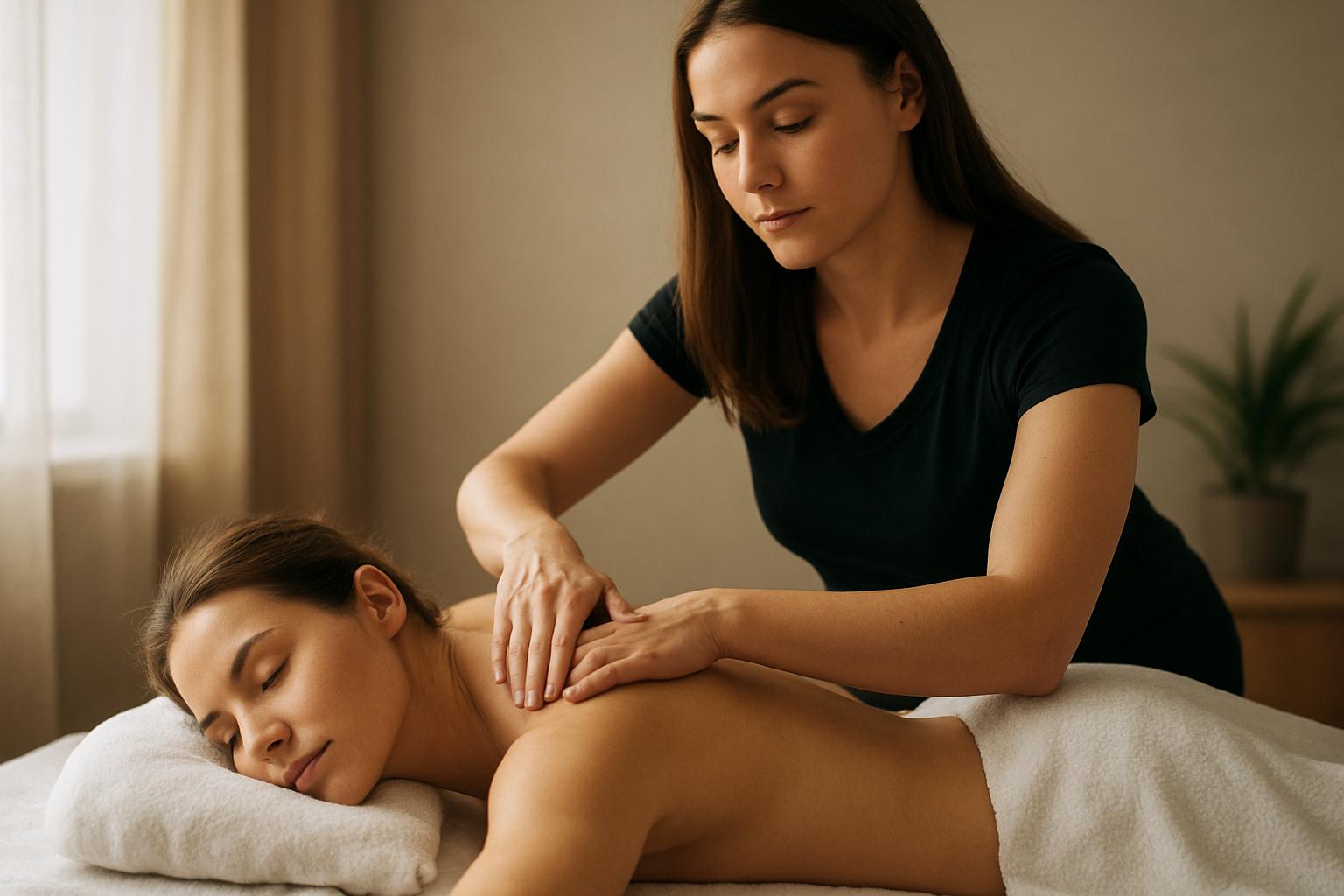
Massage regulation varies by jurisdiction, so confirm local rules if you’re unsure. Reputable providers operate within the law and maintain strict policies against any sexualized services. These practices protect clients and therapists and preserve the profession’s credibility.
If something feels off—any pressure to cross boundaries or indications that a business is skirting legal or ethical norms—leave and report the incident to the relevant licensing board. Your safety and dignity should never be negotiable.
Aftercare and self-maintenance
After a session, simple habits extend the benefit: drink water, avoid intense activity for a few hours, and apply warmth or gentle stretching to areas that feel tender. Those steps support circulation and tissue recovery.
Building a short toolkit of self-care—foam rolling, mobility drills, and mindful breathing—reduces dependence on frequent sessions and helps maintain progress. High-end bodywork is most effective when it complements a broader approach to health.
When elite bodywork is worth it
Paying a premium makes sense when you need consistent, targeted results and professional guidance. For someone managing chronic pain, preparing for a physical event, or seeking deep relaxation without guesswork, the investment can produce measurable returns.
At the same time, not every problem requires the most expensive option. For general relaxation, a competent local therapist might suffice. The discernment lies in matching the provider’s capabilities to your goals.
Ultimately, the best sessions are those that respect the client as a whole person: anatomy, history, and preferences. When technique, environment, and ethics align, a high-quality body rub delivers more than temporary comfort—it becomes part of a balanced approach to wellbeing that you can feel in everyday life.