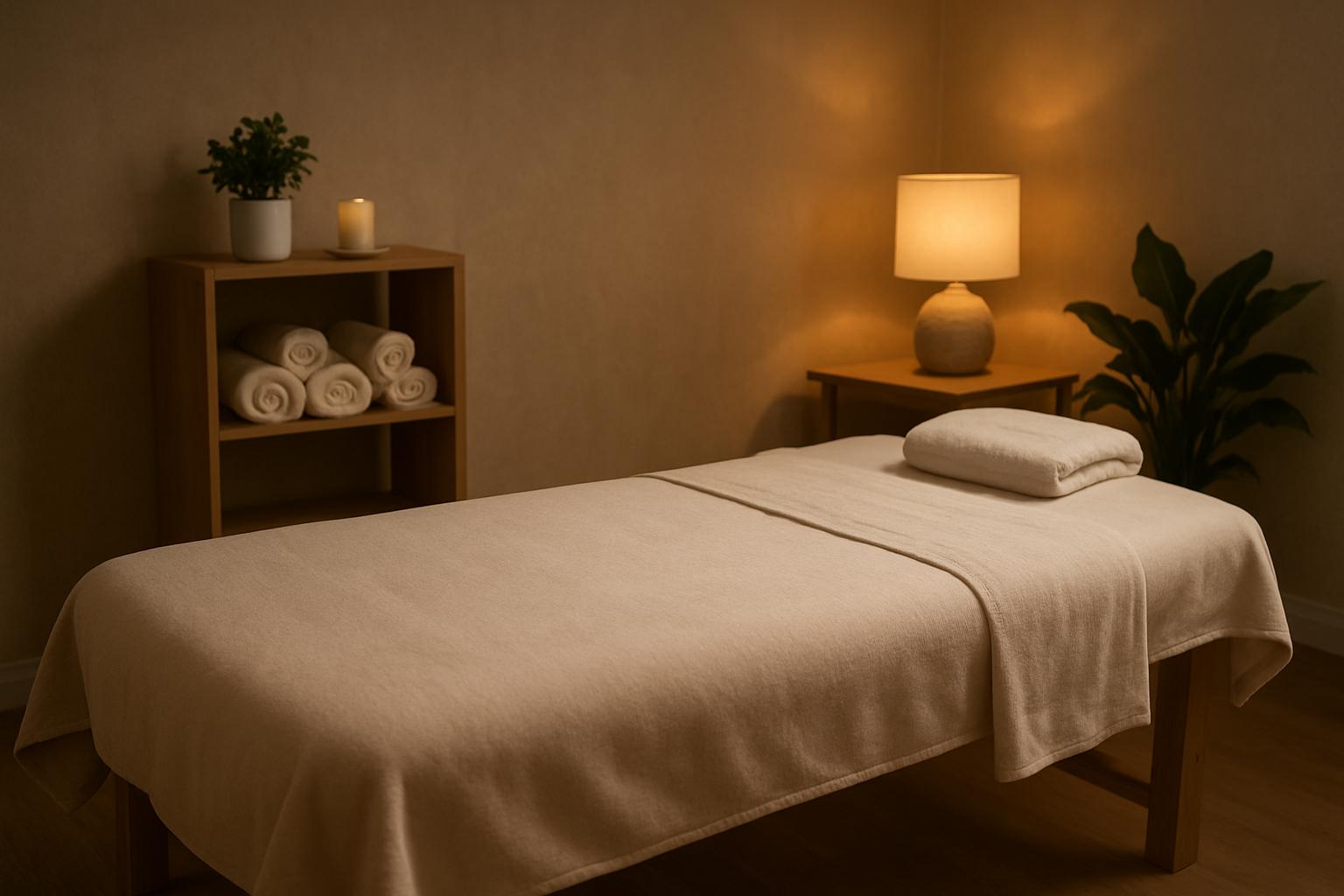

Walking into a massage space for the first time can feel like stepping into someone else’s quiet ritual. Lighting, scents, the quiet rustle of linens — these small details shape whether a visit restores or just disappoints. This article walks through what a professional bodyrub studio offers, how to evaluate quality, and what both clients and owners should know to keep things safe, respectful, and effective.
Defining the space: what a professional studio looks like
A professional studio is more than a room with a table. It’s a carefully arranged environment where privacy, cleanliness, and client comfort are priorities, and where therapists have training relevant to the services offered.
Look for clear signage, treatment menus, visible sanitation supplies, and a front-desk process that respects confidentiality. These are simple markers that the business treats care as a craft, not a casual side hustle.
Common services and techniques you’ll find
Studios typically offer a mix of modalities to meet different needs: relaxation massage to ease daily tension, deep tissue to address stubborn knots, and sports massage for athletes. Many places also include specialized options like prenatal massage, reflexology, and aromatherapy blends to personalize the experience.
To make choices easier, here’s a brief list of services you might see:
- Swedish (relaxation) massage
- Deep tissue massage
- Trigger point therapy and myofascial release
- Prenatal and postnatal massage
- Hot stone, cupping, or aromatherapy-enhanced sessions
How techniques differ in approach and outcome
Technique matters because each one targets tissue in a different way: long, sweeping strokes promote relaxation, while targeted pressure breaks up adhesions in deeper layers. A skilled practitioner reads the body and adjusts pressure, rhythm, and lubricant accordingly.
Ask therapists about the intended outcome before a session begins — pain relief, improved mobility, or general relaxation — so they can tailor the treatment. That conversation is often the best predictor of a satisfying result.
Standards, licensing, and hygiene: what to verify
Regulations vary by state and city, but a legitimate studio will display practitioner credentials and business permits upon request. Licensing shows that a therapist has met minimum education and examination standards, which correlates with safer and more effective care.
Hygiene protocols are equally important. Clean linens, sealed single-use supplies where appropriate, and visible handwashing stations reduce infection risk and create confidence. If anything feels improvisational, it’s worth asking for clarification or walking out.
| Indicator | Why it matters |
|---|---|
| Visible license or certification | Confirms professional training and local compliance |
| Sanitation procedures posted | Shows a commitment to client safety and consistent cleaning |
| Clear treatment descriptions | Helps set realistic expectations and prevents misunderstandings |
Choosing the right studio for your needs
Start with intent: are you trying to manage chronic pain, recover from a workout, or simply decompress? Different studios and therapists specialize; matching goals to expertise saves time and money. A few questions ahead of booking—about therapist training, typical session flow, and cancellation policy—will prevent surprises.
Reviews and word-of-mouth are useful but read them critically. Notes about atmosphere and consistent professionalism often matter more than a single comment about pricing. If possible, ask to speak briefly with a therapist before committing to a full session.
A short checklist to use before booking
Quick checks reduce risk and improve outcomes. Confirm licensing, ask about sanitation and massage table setup, verify session length and cost, and state any relevant health conditions to the therapist in advance.
Trust your instincts: if a studio seems evasive about policies or uncomfortable about boundaries, choose another provider. Your comfort and safety should never be negotiable.
Etiquette and what to expect during a session
A professional therapist will begin with a short intake to understand your history, current complaints, and preferences about pressure. Communication is ongoing: they should check in about comfort and adjust accordingly without you having to prompt repeatedly.
Respectful behavior is a two-way street. You should follow the therapist’s guidance about draping and disrobing and speak up immediately if anything feels inappropriate. A clear boundary framework protects both parties and keeps sessions therapeutic rather than awkward.
For studio owners: creating a sustainable, ethical practice
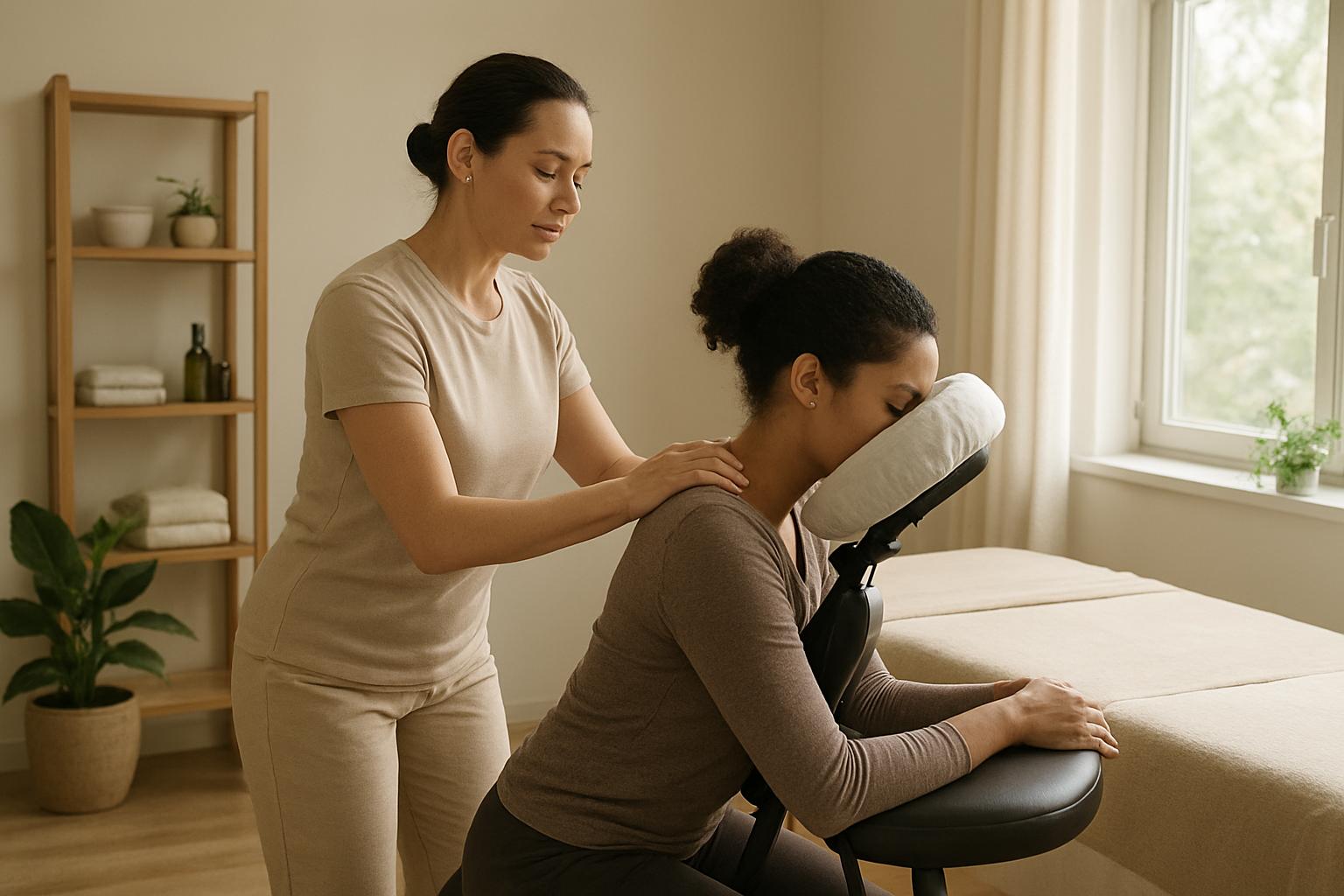
Owners who want repeat clients focus on consistent training, fair pay, and clear policies. Invest in continuing education for staff so they can expand skills ethically and safely; that investment shows in client satisfaction and fewer complaints.
Operational systems matter. A reliable booking platform, transparent pricing, and straightforward handling of late arrivals and cancellations reduce friction and conserve goodwill. Small operational missteps are often what drives clients away, not the quality of the massage itself.
Marketing without compromising professionalism
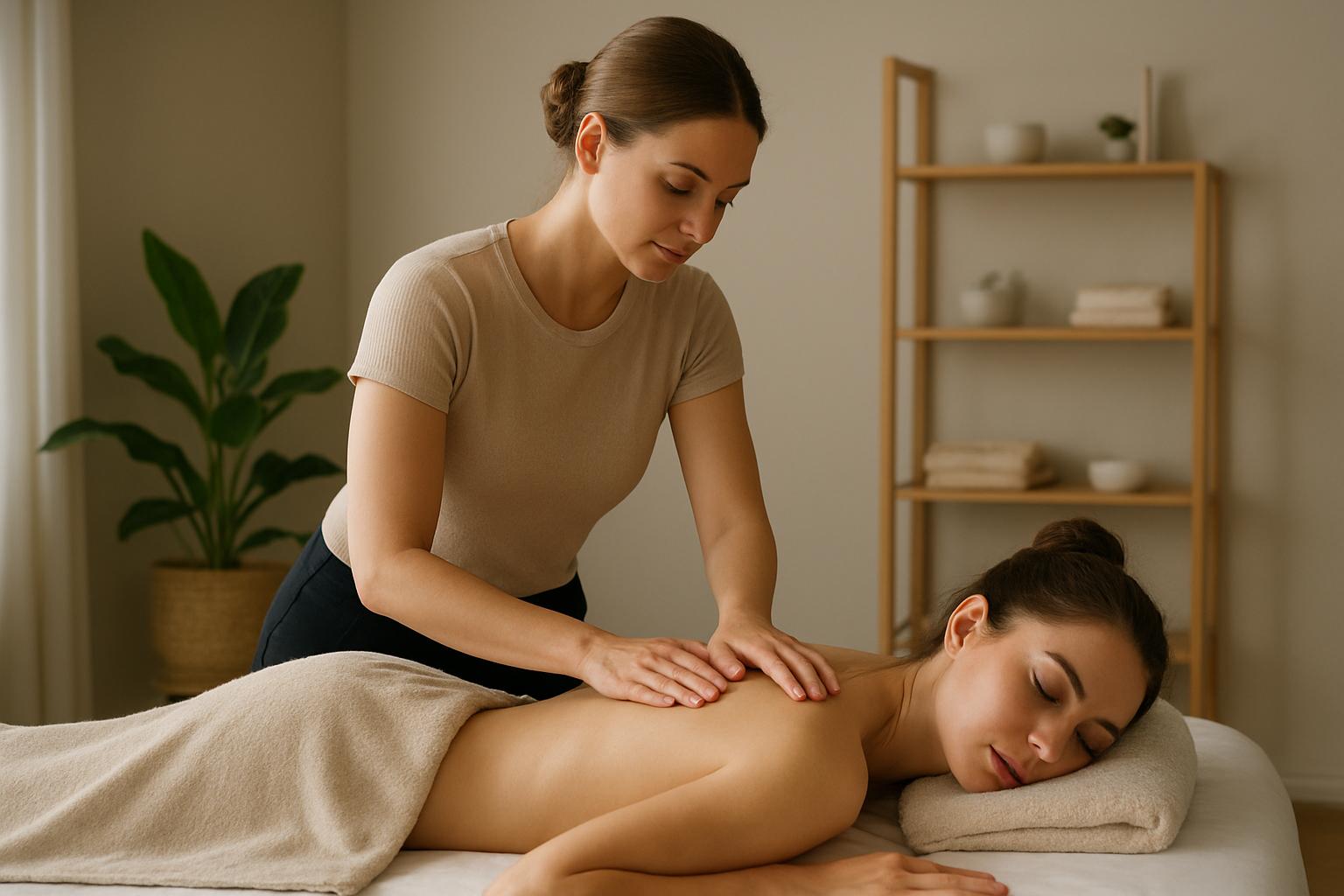
Market by highlighting outcomes and therapist qualifications rather than sensational language. Good photography, clear service descriptions, and client testimonials about improved mobility, pain relief, or stress reduction resonate without crossing professional boundaries.
Community outreach—free educational workshops, partnerships with physical therapists, or local corporate wellness programs—builds a studio’s reputation in a sustainable, grounded way.
My observations from visits and reporting
Over several years of exploring wellness spaces, I’ve noticed the places that feel most trustworthy are the ones that treat every detail as meaningful: the waiting area is calm, intake forms are thorough, and staff discuss contraindications openly. Those practices translate into better care and fewer misunderstandings.
One memorable visit involved a therapist who explained the rationale for each part of the session, from the initial assessment to the post-massage stretches. That transparency turned an ordinary appointment into something educative and empowering.
Final thoughts on balancing comfort, safety, and results
A good studio blends human connection, clinical awareness, and clear policies. Whether you seek relief from chronic pain or a quiet hour to reset, the right environment and a skilled practitioner make the difference between a fleeting experience and a repeatable, beneficial habit.
Use the practical checks in this article as starting points, trust your sensations during a session, and don’t hesitate to try a different therapist if the fit isn’t right. Your body is the instrument here—treat it with curiosity and care, and you’ll get more than a momentary lift; you’ll get lasting benefit.