
In a city that moves at a permanent sprint, a well-delivered bodyrub can feel like hitting pause in the middle of a crowded street. Whether you’re looking for therapeutic relief after a long commute, relief from chronic tension, or a restorative hour to reboot your day, there’s a wide range of practitioners and approaches across the five boroughs. This article untangles what people mean by bodyrubs in New York, how to find reputable providers, what to expect during a session, and how to protect your time and health while you relax.
What people mean by bodyrubs in New York
The term “bodyrub” in New York carries different meanings depending on context: it can refer to a professional therapeutic massage delivered by a licensed clinician or to more informal, often unregulated services. Many New Yorkers use the phrase casually to describe anything from a remedial session with a physical therapist to a deep-pressure sports massage after a run.
In licensed spas and clinics, bodyrubs are framed within healthcare and wellness: therapists take medical histories, work within scope of practice, and tailor treatment plans toward pain relief, mobility, or relaxation. Outside those settings, “bodyrub” may be shorthand in directories or casual listings for services that don’t operate under the same professional standards.
Understanding that spectrum is important before booking: the experience, safety measures, and expected outcomes differ widely between a state-accredited therapist and an unverified practitioner. Knowing which end of the spectrum you want determines how you search and what questions you should ask up front.
Finding reputable practitioners
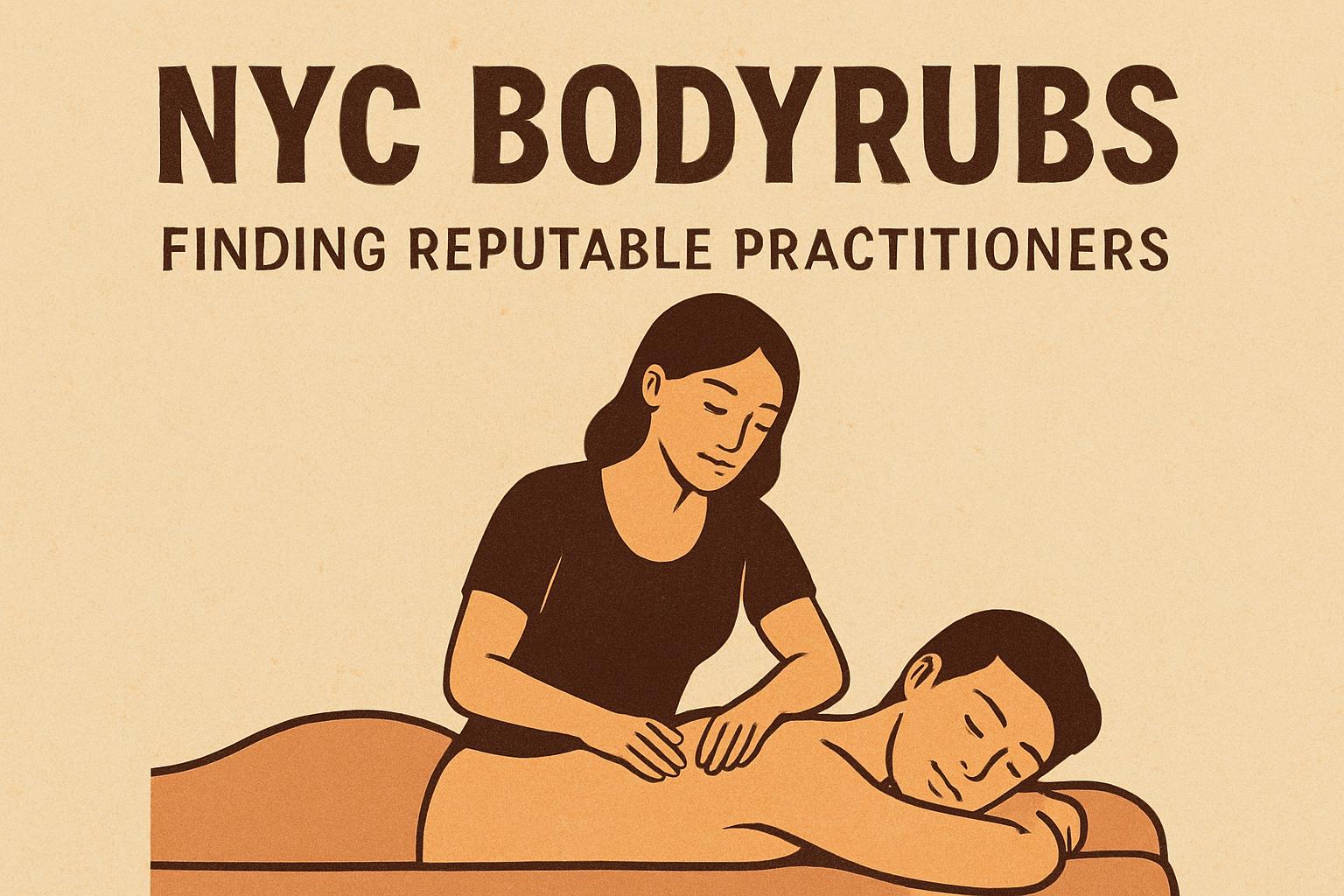
Your best odds of a safe, effective session come from choosing credentialed professionals at established clinics or licensed day spas. Look for practitioners who list clear certifications, state registration if applicable, and memberships in recognized professional associations. Websites, clinic bios, and independent review platforms often give clues about experience, specialties, and client satisfaction.
Use neighborhood resources: local health centers, fitness studios, and physical therapy clinics frequently refer or host licensed massage therapists. Word-of-mouth remains powerful—colleagues, trainers, and doctors can point you to therapists who understand specific issues like desk-related tension, postural problems, or athletic recovery. Always cross-check recommendations against online listings to verify credentials and current practice information.
When in doubt, call and ask direct questions: where the therapist trained, what certifications they hold, whether they carry liability insurance, and how they handle contraindications. A professional will welcome clear questions and explain treatment plans; evasiveness or reluctance to discuss qualifications is a red flag.
What to expect during a session
A typical professional session begins with a brief intake where the therapist asks about your medical history, current complaints, and goals for the appointment. This conversation sets boundaries for the treatment and ensures the therapist avoids areas that might be injured or medically sensitive. Honesty about issues like recent surgeries, blood pressure problems, or pregnancy helps keep the session safe and effective.
Therapists will explain the modality they plan to use—whether lighter Swedish strokes for relaxation or deeper work for muscle adhesions—and tell you how to communicate pressure preferences. You control the conversation; professional therapists check in periodically during deeper techniques to ensure comfort and avoid undue pain. Draping protocols and privacy procedures will be described so you can feel secure about what to expect.
Post-session, expect recommendations for follow-up care: stretches, hydration, short-term icing or heat, and perhaps a plan for subsequent visits. Many practitioners also suggest habit adjustments to address the root causes of recurring tension, which can be more valuable than a single session of hands-on work.
Legal and safety considerations
New York’s regulatory landscape includes requirements for many health professionals, though enforcement and specific licensing can vary by profession and municipality. Clinics and therapists operating within healthcare or spa industries should adhere to sanitation standards, maintain liability insurance, and follow local health codes. Choosing a visible, established business reduces risk compared with anonymous listings or outcalls without verifiable credentials.
Sanitation and infection control are nonnegotiable: clean linens, handwashing or sanitizing between clients, and properly maintained treatment rooms are basic indicators of a responsible practice. If anything about cleanliness or the environment makes you uneasy, trust that instinct and leave or decline the appointment. A legitimate clinic won’t pressure you to proceed under unsanitary conditions.
Another layer of safety is payment and communication transparency. Reputable providers accept traceable payments, provide receipts, and maintain clear cancellation policies. Avoid practitioners who insist on cash-only prepayment with no record or who communicate only through anonymous messaging platforms.
Choosing the right modality
Different techniques address different needs, and matching modality to goal improves outcomes. Below is a brief table of common approaches and what they typically address to help you choose more deliberately.
| Modality | Typical focus | Good for |
|---|---|---|
| Swedish massage | Long, flowing strokes and light-to-moderate pressure | Relaxation, general circulation, stress relief |
| Deep tissue | Slower strokes with deeper pressure targeting muscle layers | Chronic muscle tension, adhesions, postural pain |
| Sports massage | Functional techniques aimed at athletes | Pre/post-event prep, injury prevention, recovery |
| Myofascial release | Gentle sustained pressure to release connective tissue | Mobility restrictions, chronic pain, fibromyalgia symptom relief |
| Lymphatic drainage | Light, rhythmic strokes to encourage lymph flow | Post-surgical swelling, lymphedema management |
Discuss your priorities with the practitioner and don’t hesitate to request adjustments during the session. If you’re treating a specific injury or chronic condition, a therapist familiar with clinical rehabilitation will typically provide safer, more targeted care than a general relaxation-focused practitioner.
Etiquette, pricing and tipping
Clear communication makes for a better session: arrive a few minutes early, disclose any health issues on intake forms, and state your pressure preferences before the therapist begins. Respect the therapist’s space and professional boundaries; therapists will explain their draping policy and what areas they can work on if you have modesty concerns.
Prices in metropolitan areas vary with location, experience, and the facility’s standard. Expect to pay more at centrally located Manhattan spas and less in neighborhood clinics farther from transit hubs. Many clinics offer package deals or membership rates if you plan regular visits, which can lower per-session cost while encouraging consistent care.
Tipping is customary for massage services in the U.S., typically 15–20% for satisfactory work, and more for exceptional attention or difficult treatments. If a clinic includes service charges or has a no-tipping policy, staff will generally clarify that up front.
Alternatives and complementary therapies
Bodywork is one tool among many for managing pain and promoting wellness. Physical therapy, chiropractic care, acupuncture, and guided movement modalities like Pilates or yoga can complement hands-on sessions and address biomechanical causes of recurring tension. Combining approaches often yields better long-term results than one-off treatments.
Self-care between appointments matters: targeted stretching, foam rolling, ergonomic adjustments to your workspace, and consistent hydration support the benefits of professional sessions. Ask your therapist for simple, concrete follow-ups you can do at home; those small habits are where lasting change often begins.
Author’s experience: finding a good fit in Manhattan
On a recent marathon workweek, I tracked down a midtown clinic after a colleague insisted it had the best deep-tissue therapists for desk-related neck pain. The intake was straightforward, the therapist asked about my daily habits, and we agreed on a pressure baseline that I could adjust during the session. The combination of focused work on adhesions and practical post-session stretches made a measurable difference over the following week.
That visit reinforced two truths: articulate your goals and be frank about discomfort thresholds, and don’t expect perfection from a single appointment. The best therapists see a session as a step toward recovery, not a one-time miracle, and they equip you with follow-through strategies to protect your progress.
Practical checklist before you book
- Verify credentials and read recent client reviews for the therapist or clinic.
- Confirm sanitation practices and payment methods before arrival.
- Ask about session length, cancellation policy, and what to wear during treatment.
- Prepare to disclose relevant medical history and current medications.
- Plan for light activity after a deep session—avoid strenuous exercise immediately afterward.
Whether you’re hunting for a restorative hour after a long trip or a therapist who can help you manage chronic pain, approaching the search with clear priorities makes the process better for both you and the practitioner. Use trusted sources, ask direct questions, and remember that the goal is sustainable relief supported by good communication and follow-up care. A well-chosen session can be a small investment that pays dividends in comfort, mobility, and the kind of mental clarity that helps you move through the city with a little more ease.